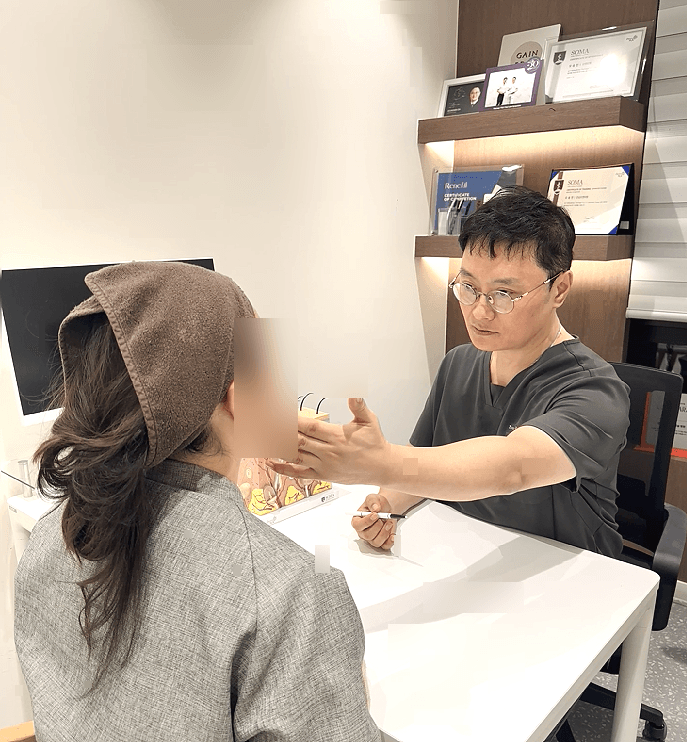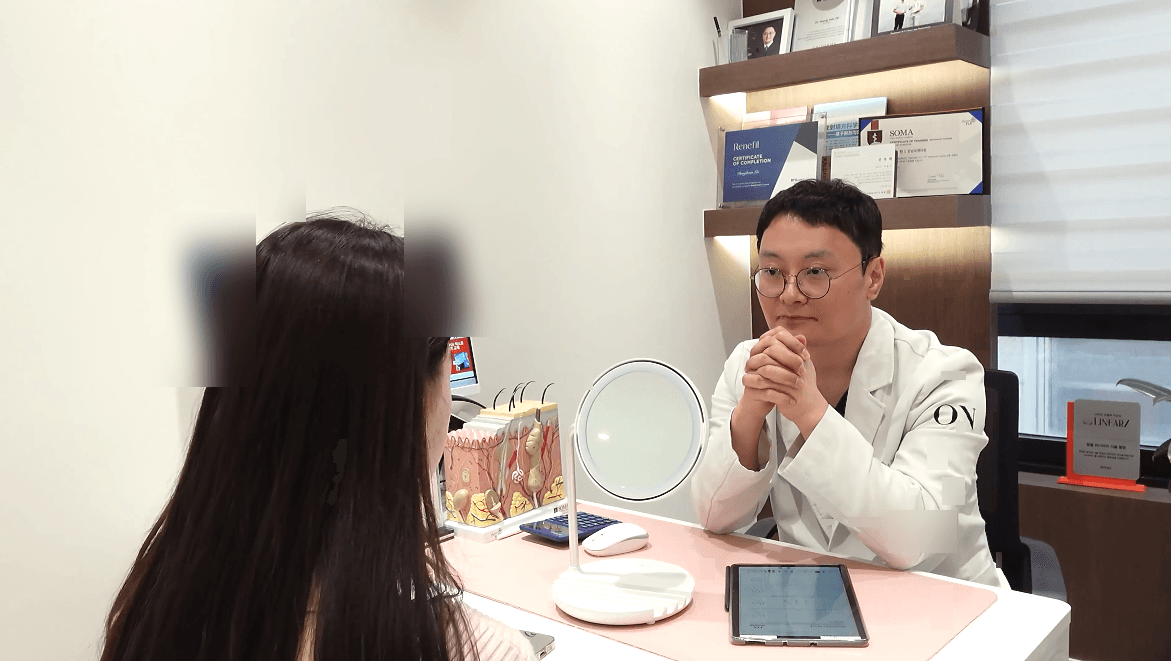
When consulting about Ultherapy PRIME in the clinic, I receive almost the same question every time.
"Doctor, should I get it every 6 months, or once a year?"
On the internet, both numbers float around as if they are the correct answer.
However, when actually examining, the criterion that divides the direction between them is not a number, but skin.
Today, I would like to explain why these 6 months and 1 year differ, and what we look at to distinguish them, from a clinical perspective.
Take just 1 minute to read.
Ultherapy PRIME Cycle Varies Depending on 'This'
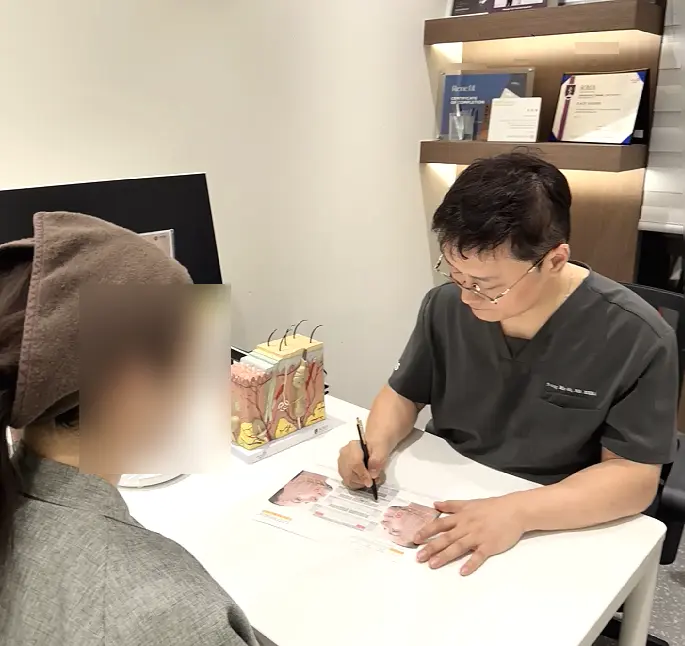
To conclude, there is no single correct answer for the Ultherapy PRIME cycle that applies to everyone.
This means that 6 months may be considered too soon, and 1 year may be considered too long.
The root of the confusion lies here:
The cycle is not a fixed value, but a variable that changes according to skin condition and purpose.
Even for the same procedure, the conditions of the person sitting on the treatment bed are all different. Broadly speaking, they are as follows:
- Skin with frequent UV exposure, where elasticity loss progresses rapidly
- Skin in the 20s-30s where collagen reduction is just beginning
- Skin where elasticity loss has already progressed significantly
Since the conditions are so different, it is unreasonable to apply a single number like 'every few months' to everyone from the outset.
So, when asked about the cycle, I ask back. Let's first look at what state my skin is in.
How Does Ultherapy PRIME Handle Collagen?
Ultherapy PRIME works by delivering ultrasound energy to the deep layers of the skin to induce collagen regeneration.
The key is that this collagen does not regenerate overnight, but gradually over a certain period.
It is precisely because of this point that it may be more appropriate to judge based on how much the skin has recovered and responded, rather than a calendar-based criterion like 'it's been a few months, so let's get it again.'
Time does not determine the cycle; rather, the collagen regeneration flow guides the cycle.
If you are curious about why Ultherapy PRIME is not completed in one session but designed in multiple sessions, you may also refer to The Clinic's Criteria for Dividing the Ultherapy PRIME Cycle.
Which Side Is My Skin Closer To?
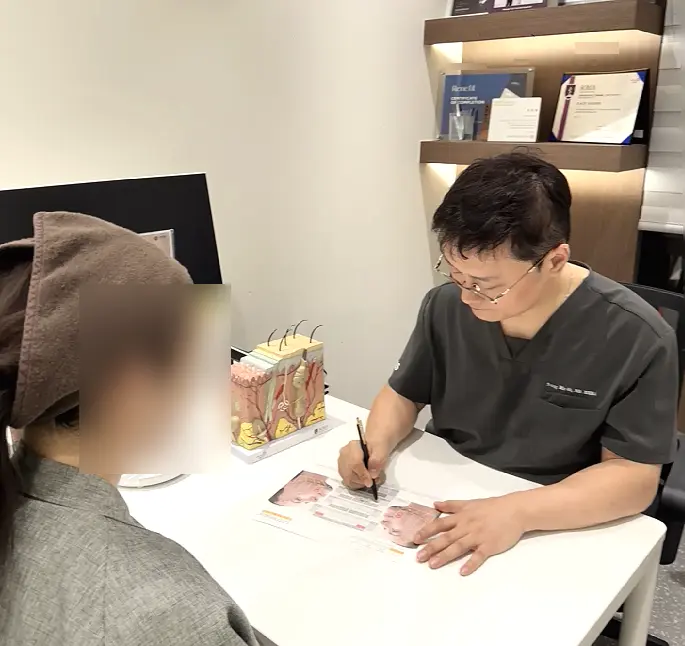
If your skin is prone to rapid elasticity loss due to accumulated UV damage, consistent management with a relatively shorter cycle, considering the collagen regeneration flow, may be helpful.
However, there's something important not to miss here.
A shorter cycle is different from pushing with strong intensity every time.
Maintaining an appropriate intensity for your skin condition is important, and repeated excessive intensity can put a burden on the skin, so caution is needed.
On the other hand, if you are in your 20s or 30s where collagen reduction is just beginning, the approach changes.
It may be more suitable to approach it from a preventive and management perspective with a more relaxed interval rather than rushing the cycle.
Managing in advance before elasticity significantly deteriorates can also be a better long-term choice.
If elasticity loss has already progressed significantly, understanding the condition comes before the cycle number.
A relatively short interval of around 6 months may be considered, but there are also cases where a combined design with other Lifting & Tightening procedures is needed rather than Ultherapy PRIME alone. Therefore, it is safer to determine the priority in consultation before setting the cycle.
Here's a summary of the two approaches side by side:
| Category | Cases where a relatively short cycle is considered | Cases where a relaxed cycle is considered |
|---|---|---|
| Representative Situation | Skin with rapid elasticity loss due to accumulated UV damage | 20s-30s where collagen reduction has just begun |
| Approach Perspective | Consistent management tailored to the regeneration flow | Prevention and proactive management |
| Intensity Principle | Maintain appropriate intensity, not strong intensity | Relaxed, without excessive repetition |
Although divided into a table, actual judgment is not so clear-cut.
Ultimately, the key is to understand the current rate of elasticity loss in the skin and its cause.
The direction changes depending on whether it's collagen loss due to UV damage, a natural aging process, or a temporary change in condition. This judgment should ideally be made after sufficient consultation with medical staff.
If you want to organize your questions in advance, you can comfortably ask through Consult via chat now.

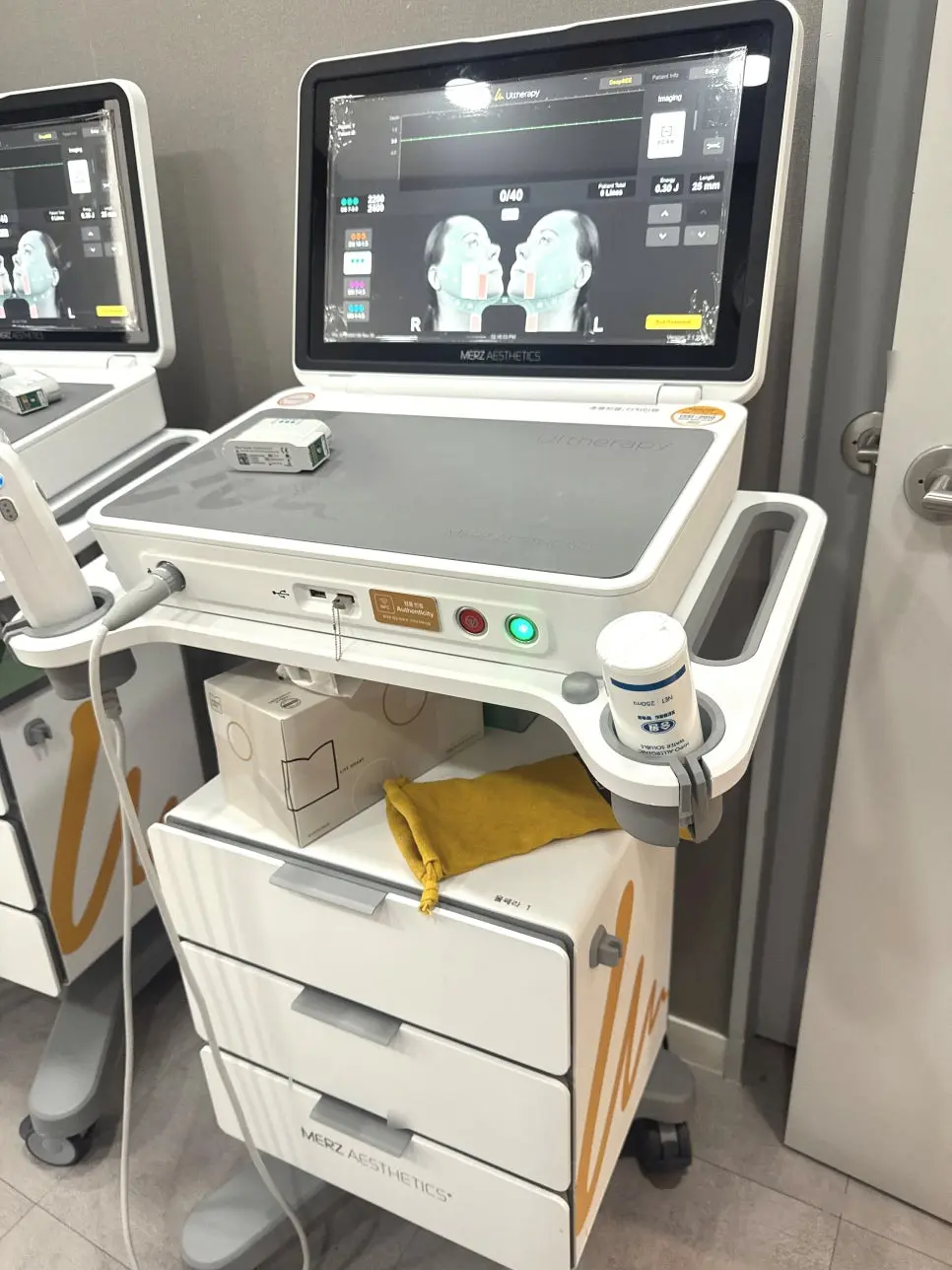
As Important as the Cycle, is 'Intensity'
In Ultherapy PRIME, the intensity design is always paired with the cycle.
If the intensity is increased or the cycle is rushed without accurately checking the skin condition, the burden on the skin can easily outweigh the expected effects.
Intensity and cycle should always be determined based on the results of skin condition analysis.
At O.N Clinic, we comprehensively assess the following using the AI skin measurement device Muse:
- Skin elasticity status
- Skin thickness and texture
- Pore condition
- Degree of UV exposure
- History of previous procedures
Based on these analysis results, the medical staff directly diagnose and design the treatment cycle and intensity together.
Such a personalized plan can help increase satisfaction.
If the cause of elasticity loss is determined to be collagen damage due to long-term UV exposure, we will guide you on the appropriate intensity and cycle, and suggest complementary procedures that can be considered if necessary.
The point where choices differ depending on whether elasticity comes first or sagging comes first is covered in more detail in Criteria for Recommending Alltite vs. Ultherapy PRIME.
To summarize, accurate diagnosis and careful consultation should precede the procedure itself. This is what I always emphasize in consultations.


After the Procedure, These Reactions May Occur
After Ultherapy PRIME, pain, swelling, redness, and temporary changes in sensation may occur.
These reactions vary depending on the individual's skin condition and treatment intensity, and most are temporary.
Therefore, it is necessary to discuss the expected reactions with the medical staff in advance before the procedure.
If you are planning Ultherapy PRIME, information to check before the procedure is summarized in Information to Know Before Gangnam Ultherapy PRIME Treatment.
(※ The range of effects and reactions varies from person to person. Even with the same procedure, results may differ depending on skin thickness, degree of elasticity loss, and lifestyle habits.)
Will Someone Else's Cycle Work for Me?
The situation I most caution against is adopting someone else's review or experience as your own standard.
Just because someone else had a good experience getting it every 6 months doesn't mean 6 months is right for your skin. The cycle and intensity should come from an analysis of your skin, not someone else's experience.
Rather than making your own judgment and demanding to shorten the treatment interval or increase the intensity, following a customized plan based on professional skin analysis may be safer and more effective in the long run.
For approaches to specific concerns like a double chin, you can continue reading in Two Points Ultherapy PRIME Addresses for a Double Chin.
If you have any remaining questions, Consult via chat now
Frequently Asked Questions
Is the Ultherapy PRIME cycle 6 months or 1 year?
There is no fixed answer. The appropriate cycle varies depending on individual conditions such as the rate of skin elasticity loss, degree of UV exposure, and collagen status.
Since a 6-month cycle may be suitable for some, and a more relaxed cycle of 1 year or more may be suitable for others, it is advisable to determine the cycle that suits you through consultation with medical staff.
Does getting Ultherapy PRIME frequently with a short cycle improve the effect?
Not necessarily. A short cycle or excessive intensity that does not match your skin condition can actually put a burden on your skin.
Consistent management with an appropriate cycle and intensity tailored to your condition, considering the collagen regeneration flow, may be more helpful.
Is Ultherapy PRIME necessary for people in their 20s-30s?
People in their 20s-30s are at a stage where collagen reduction is just beginning, so it can be considered for prevention and management before significant elasticity loss occurs.
In this case, a more relaxed interval may be suitable rather than an excessively short cycle, and a design tailored to the skin condition is important.
What reactions can occur after Ultherapy PRIME?
Pain, swelling, redness, and temporary changes in sensation may occur during and after the procedure.
The range of reactions may vary depending on the individual's skin condition and treatment intensity, so it is advisable to consult sufficiently with medical staff before the procedure to confirm expected reactions in advance.
What criteria are used to determine the Ultherapy PRIME cycle?
The medical staff make a judgment after comprehensively analyzing skin elasticity status, skin thickness and texture, pore condition, degree of UV exposure, and history of previous procedures.
Utilizing objective analysis tools such as AI skin measurement devices can help with more accurate condition assessment and customized design.
What is the recovery and downtime like?
Ultherapy PRIME delivers ultrasound energy to the deep layers of the skin, so unlike procedures that involve incisions or inserting threads, the visible recovery process is not extensive.
Immediately after the procedure, numbness, heat, slight swelling or redness, and a dull ache in some areas may occur, but these usually subside within a few days, and there are individual differences.
While returning to daily life is relatively quick, the range of reactions can vary depending on the intensity and area of the procedure, as well as skin condition, so it is advisable to confirm expected reactions with the medical staff in advance before the procedure.
How is the cost structured?
The cost of Ultherapy PRIME is not a fixed amount but is determined by several factors.
The structure varies depending on the area to be treated (whether it's the entire face or specific parts like the double chin or eye area), the number of shots used and the treatment scope, whether skin measurement and diagnosis are included, and whether follow-up checks or complementary care are also designed together.
Since the plan for Ultherapy PRIME varies depending on individual skin condition and cycle design, it is more accurate to receive precise cost information after skin measurement and consultation.
Visit and Consultation Information
O.N Clinic is conveniently located near Gangnam Station and Sinnonhyeon Station, making it easy to access by subway.
Since the Ultherapy PRIME cycle and intensity vary depending on your skin condition, you can Consult via chat now before your visit to organize any questions you may have or inquire about appointment schedules.
Author: Dr. Oh Seung-min (Chief Director of O.N Clinic, graduated from Seoul National University College of Medicine, Academic Committee Chairman of the Korean Academy of Laser Dermatology and Hair). For more details on his background, please refer to Medical Staff Introduction. First published 2026-06-13 / Last reviewed 2026-08-15
This article is for general informational purposes only, and appropriate treatment and results may vary depending on individual conditions.