"I heard Onda Lifting is good for double chins and facial fat reduction, is that true?" "If it's good after one session, can I keep getting it every 4 weeks?" These are the two most common questions that come to mind when searching for Onda Lifting...
What are its effects, and how often should one receive it? Oh, I apologize for the late introduction. ^^; Hello.
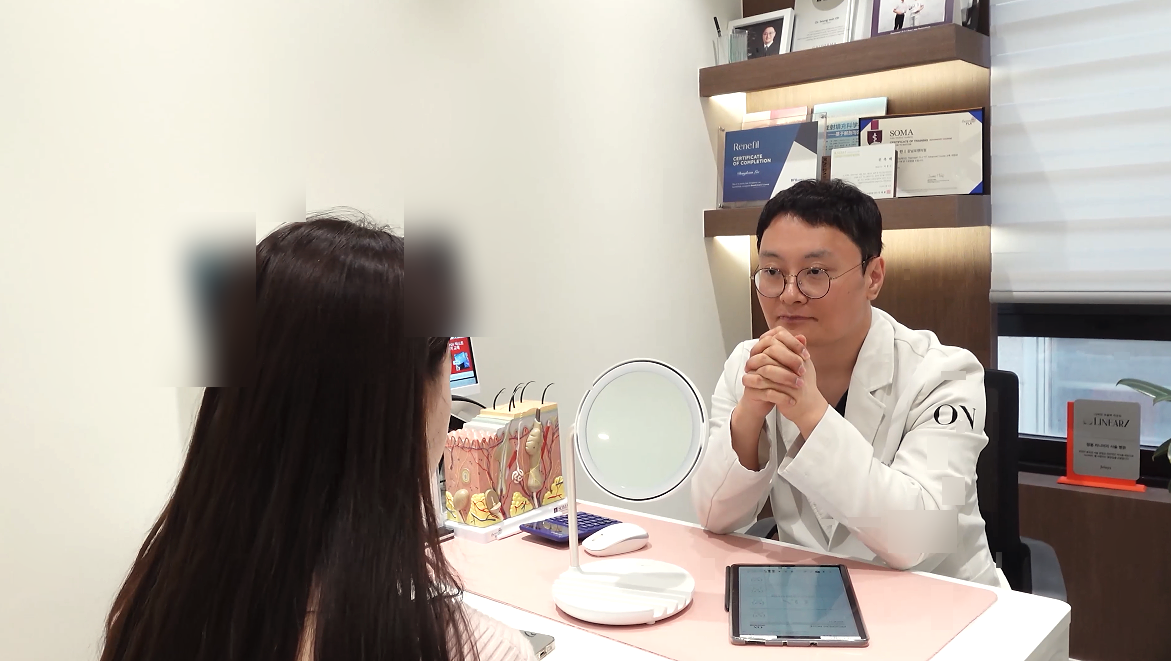
I am Dr. Oh Seung-min, the lead director of O.N Clinic. When I look at reviews online, I occasionally see comments like "my jawline became sharper" or "I chose Onda because of my double chin." Because of this, some people with facial fat or an unclear jawline might think they should start with Onda.
In fact, Onda is a device for which the applicability of the procedure is sometimes reviewed by examining both the facial fat distribution and skin condition. However, what I consider most important during consultations is, 'Is Onda truly necessary for the current facial condition?'
Not all reasons for a face appearing large are due to fat, and not all reasons for a sagging jawline are the same. Therefore, today, focusing on the effects and frequency that people considering Onda Lifting most frequently ask about, I will summarize two things you should check before the procedure.
Even reading for just 3 minutes can help you establish criteria for determining if Onda is necessary for your face, rather than simply following reviews. ^^ Sinnonhyeon Dermatology, Onda Lifting effects? Frequency? I'll tell you everything from 1 to 100.
Table of Contents
- If you have a lot of 'facial fat',
will the Onda effect be the same?
- Onda Lifting procedure every '4 weeks',
is it really okay?
- Conclusion
1. If you have a lot of 'facial fat', will the Onda effect be the same?
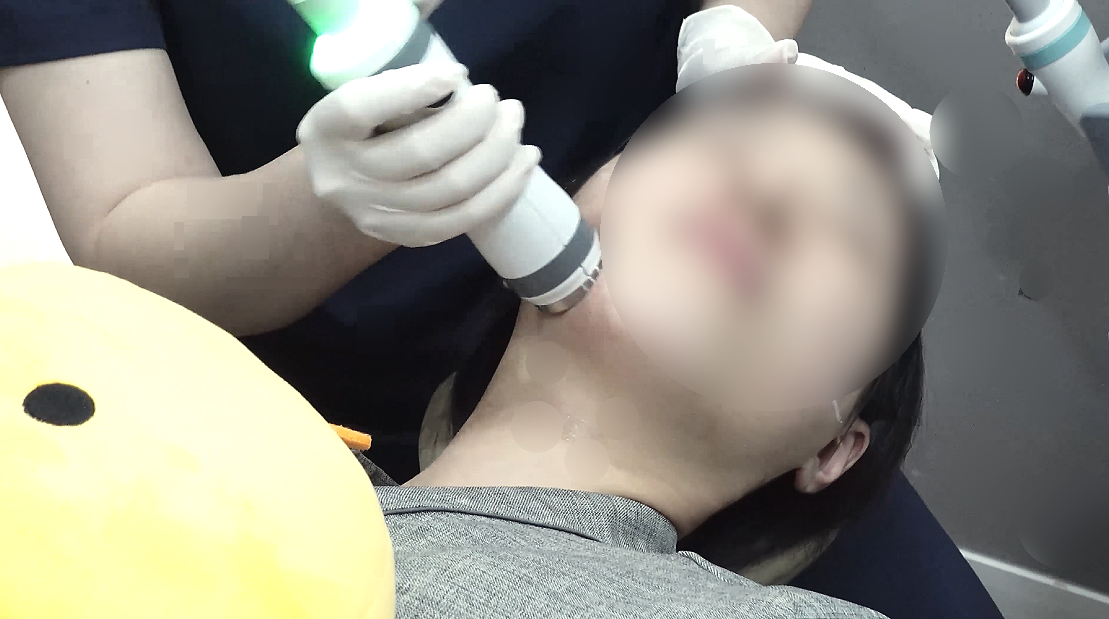
Onda Lifting is a bit different from simply understanding it as a procedure that strongly pulls the entire face. The areas I actually examine when considering Onda are those with a high distribution of facial fat, such as the submental area, as well as areas where the skin appears more lax than before.
(However, even if these areas are a concern, we do not perform Onda procedures in the exact same way for everyone. ^^;)
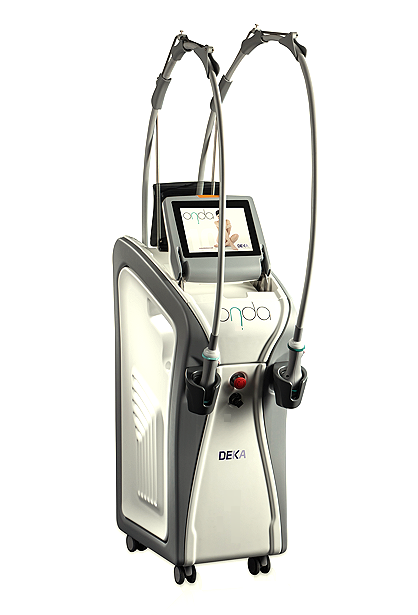
Onda is a procedure that has the advantage of being able to simultaneously reduce localized fat and firm up the skin. However, there is one thing you must clearly understand here: 'appearing to have a lot of facial fat' and 'actually having a lot of fat that can be removed' are not the same thing.
For example, some people have hollows under their cheekbones or in their temples, but volume is concentrated specifically around their jaw. If we were to reduce overall volume in such a face, the jawline might become lighter, but the hollowness of the midface could become even more pronounced.
Conversely, if someone has a lot of fat under their chin, the treatment area can be reviewed with a focus on that specific region. The degree of skin laxity should also be considered. Faces where the fat volume is not significant but the skin is thinly stretched, or faces where the jawline boundary is blurred due to the weight of fat, are not treated in the same way.
Therefore, when deciding on Onda, I do not simply use body weight or face size as criteria. I check the extent of the fat layer when the submental area is grasped by hand (this is called palpation), whether there are any areas of volume loss, and which areas actually appear dull from the front and side.
This process can sometimes lead to cases where Onda is not recommended. If someone naturally has little facial fat and severely sunken cheeks, other methods of elasticity management might be more suitable than fat reduction.
It's like a famous pair of shoes being useless if they don't fit your feet. With Onda, it's not about whether it's a good device or not, but whether there are precisely areas on the current face that need to be reduced. And if you've confirmed this criterion, you might have the following question. ^^ "So, how often should I receive Onda?" Sinnonhyeon Dermatology, Onda Lifting effects? Frequency?
I'll tell you everything from 1 to 100.
2. Is it really okay to receive Onda Lifting every '4 weeks'?
"Other places say to get it every 4 weeks." "If the effect is good, can I keep getting it every month?" When researching Onda Lifting, you often hear about a '4-week interval'. However, this does not mean that every face must repeat the same number of sessions every month.
The actual treatment interval should be determined after checking the current skin condition, the response after the previous treatment, and the treatment area. What's important for the face is to confirm what changes occurred after the previous treatment.
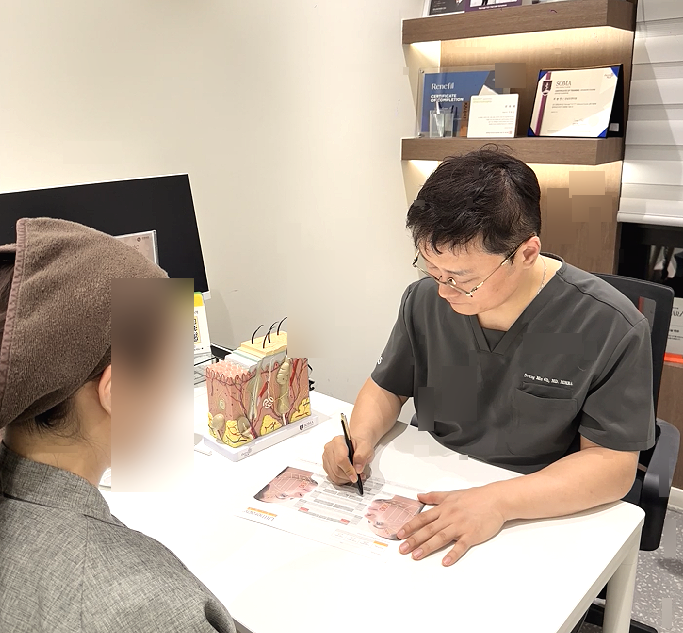
For example, if after the first treatment, concerns about lower facial volume have decreased but skin elasticity is still a bit of a concern, it may be necessary to reconsider whether to repeat the treatment in the exact same way.
Conversely, if there are still clear areas that need treatment, additional treatments can be considered step by step. This means that even for the same person, the treatment area and goals can change with each session.
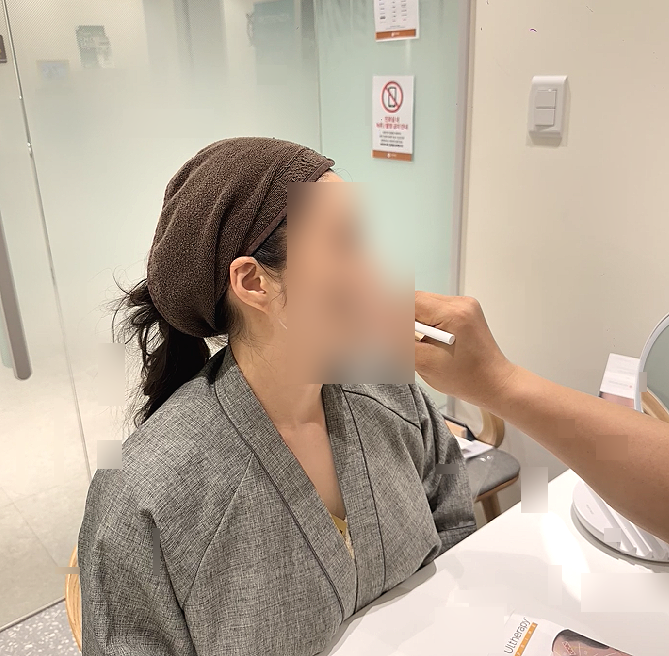
In particular, with Onda, the treatment direction should not be set as 'the more you do, the smaller your face becomes.' If the treatment is planned to reduce facial volume, it is essential to carefully determine which areas to apply it to.
Therefore, rather than setting the number of sessions and duration from the beginning, such as "you must receive 3 sessions at 4-week intervals," I tend to confirm the fat distribution and skin elasticity of the face, and then assess the need for the next treatment by checking the changes from the previous session.
Also, there's one more thing I'd like you to remember. You don't need to decide whether to continue with the next session based solely on the appearance immediately after the procedure. Since there can be individual differences in how the skin condition and facial contours appear to change after the procedure...
Judging in just a few days, "It hasn't changed much, so should I do it again right away?" can be a premature decision. Therefore, when deciding the treatment cycle, you shouldn't just look at the calendar, but also consider the current state of your face.
This involves checking which areas have reduced compared to before the treatment, how much the skin has been refined, and whether there are any volumes that should no longer be touched. Onda Lifting cannot be definitively called a one-time procedure, nor can it be said to be a regular maintenance that must be repeated unconditionally.
The extent to which the desired changes in your face have progressed should be the criterion for determining the timing of the next treatment. So, if you are looking into Onda Lifting at a Sinnonhyeon dermatology clinic, I hope you hear an explanation like this along with the question, "How often should I do it?"
What areas of your face are the target for reduction, and what will be used to judge whether to proceed with the next treatment? If you receive clear explanations for these two points, you will feel much less overwhelmed when deciding on the number of sessions or the cycle. ^^ Sinnonhyeon Dermatology, Onda Lifting effects? Frequency?
I'll tell you everything from 1 to 100.
3. Conclusion
That's all for today's content. Onda Lifting is neither a procedure that must be chosen simply because of concerns about facial fat, nor is it a regular maintenance that can be repeated every month. It is more important to differentiate the current fat and volume distribution of the face and to determine the next step by checking the condition after one treatment.
Thank you very much for reading to the end today. This has been Dr. Oh Seung-min, the lead director of O.N Clinic. Thank you.
Frequently Asked Questions
If fat is concentrated only under my chin, do I need to treat my entire face?
Not necessarily. If the area of concern is concentrated under the chin, a method focusing on that specific area while preserving other volumes can be considered.
I don't have much facial fat, but my jawline is particularly blurry.
A blurry jawline is not necessarily caused by fat. If skin elasticity or the influence of other structures is greater, other lifting methods might be more suitable than fat reduction.
If I'm satisfied after one session, do I not need additional treatments?
If the desired changes are sufficient, there is no absolute need for additional treatments. It is better to check the skin condition and fat distribution afterward and plan the next steps when necessary.
Can I receive treatment again before one month (4 weeks) has passed?
Rather than repeating the same area at too short an interval, it is important to thoroughly observe the changes after the previous treatment.
*Notice
The perceived changes and the number of sessions required for Onda Lifting may vary individually depending on skin condition, fat volume, and treatment area.
After the procedure, temporary reactions such as redness, warmth, or tenderness may occur depending on the individual.
For the face, please differentiate between areas that are already hollow and areas where fat can be reduced, then determine the appropriate treatment area and repetition timing.
Recommended Articles
-
Sinnonhyeon Station Dermatology, Oligio Kiss vs. Onda Lifting? Differences (Public)
-
Post-Laser Lifting Care, Kyungrak? Massage? Yeoksam-dong Dermatology Clinic Informs.
Recommended Videos
Directions
O.N Clinic · 8th Floor, 428 Gangnam-daero, Gangnam-gu, Seoul