

Have you been hesitant for years to get filler for sunken temples and side cheeks, worrying that it might look unnatural when you smile? "It looks fine when I'm still... but it looks especially lumpy when I smile or eat." This is the most common concern for those considering filler.
However, let's take a closer look for a moment. The cause of this concern is often not the fact that filler was injected at all. In most cases, the result is determined by what type of filler was used, at what layer of the face, and with what movements in mind.
Hello.
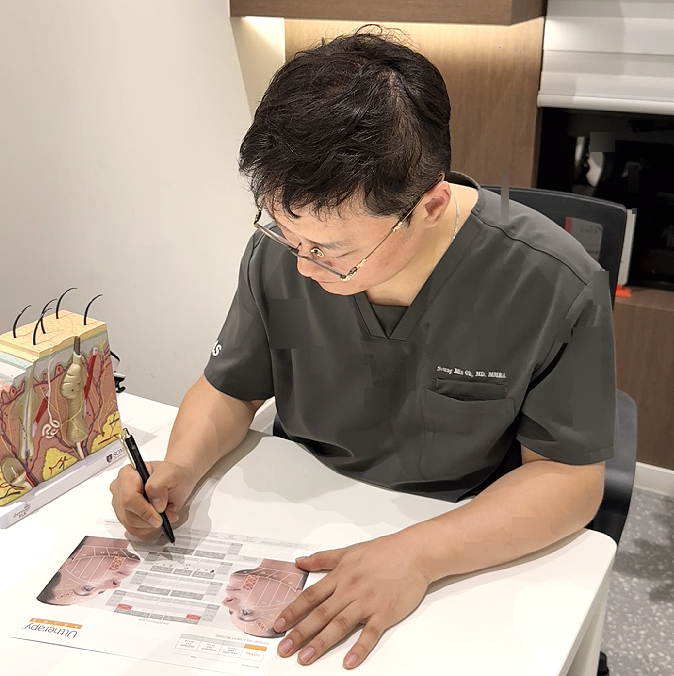
I am Dr. Oh Seung-min, the lead director of O.N Clinic in Gangnam. Today, I will explain how Teoxane's Teosyal filler can be applied to 'moving areas' like the temples and side cheeks, and what criteria determine the outcome of the procedure.
If you take just 3 minutes to read this, you can fully understand the content. ^^ Teosyal filler reviews? If you're worried about sunken temples and side cheeks (must-read)
Table of Contents
- Temple, Side Cheek Filler?
It must look natural even when moving.
-
Ultimately, 'Anatomical Design' is Important.
-
Concluding Remarks
1. Temple, Side Cheek Filler? It must look natural even when moving.

When people think of natural filler, they often imagine 'injecting just a little so it's not noticeable.' However, the naturalness I speak of doesn't end with it being unnoticeable when still.
It's closer to a state where it moves with the surrounding tissues even when speaking, smiling, or chewing food, so no awkwardness is revealed. The temples and side cheeks are particularly important areas where 'naturalness' is crucial. This is because there are muscles under the temples that move when chewing food, and the side cheeks constantly contract and relax whenever you smile or speak.
The problem is that if filler that cannot follow these movements is injected into such areas, it can create a feeling that only that area moves unnaturally when making expressions. The concern that your side cheeks look lumpy when you smile or your temples protrude when you chew after a filler procedure often stems from the reasons explained above. Therefore, for natural movement, I use 'Teosyal'.
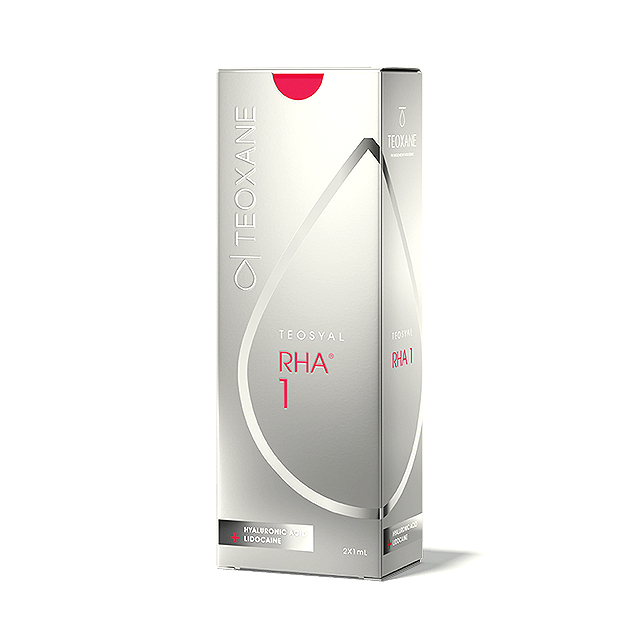
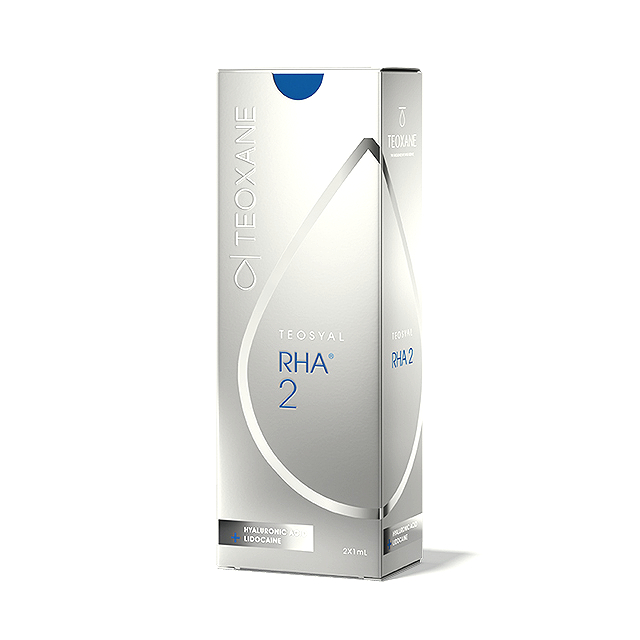
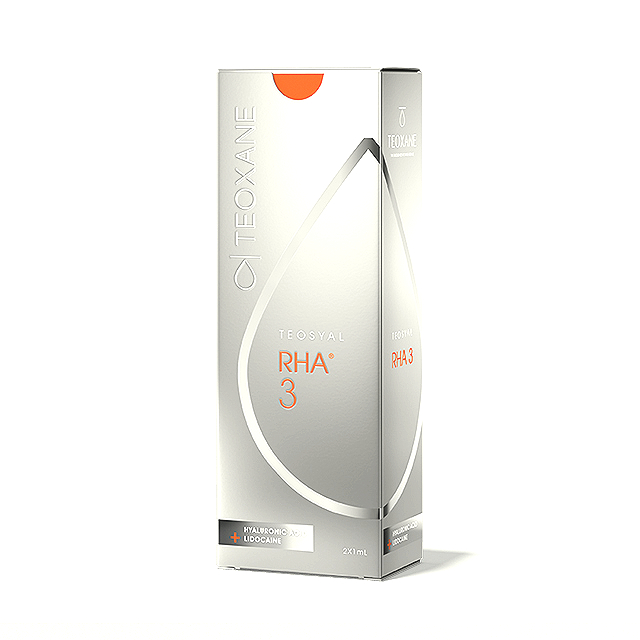
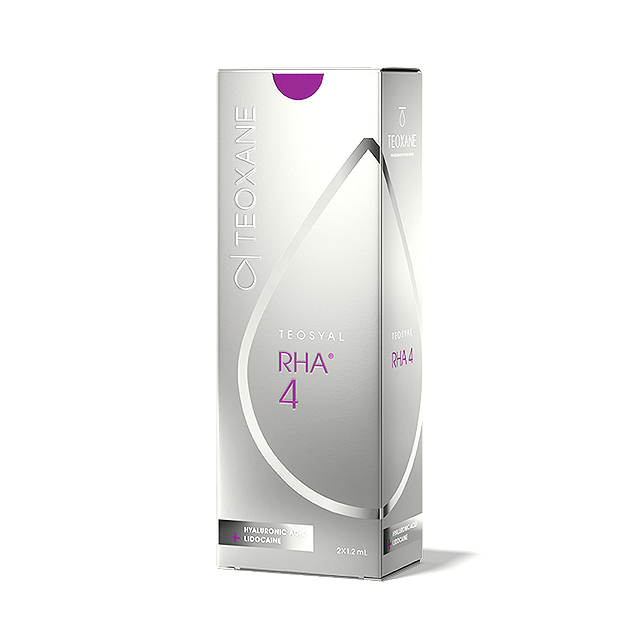
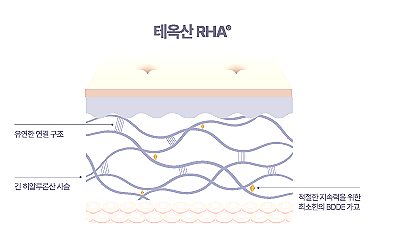
This is the Teosyal RHA line. Teosyal is a hyaluronic acid (HA) filler made by Teoxane in Switzerland. Among them, the RHA line is known for preserving the long chain structure of hyaluronic acid as much as possible and using less cross-linking agent.
Due to these characteristics, it is introduced as a filler designed to move with facial expressions, utilizing the property of the gel to stretch and return to its original shape. Often...
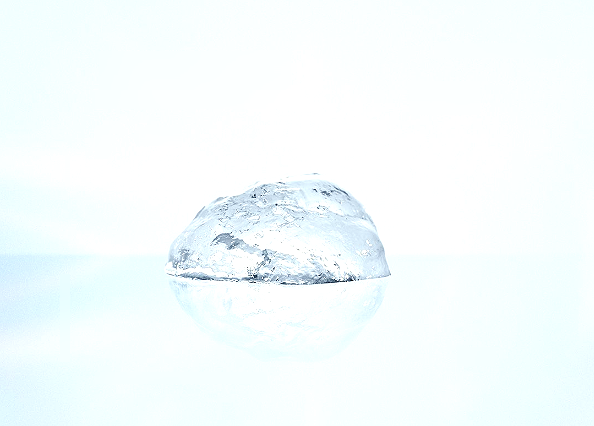
"Filler needs to be firm to last long," but in areas with a lot of movement, flexibility is as important as firmness. In other words, the reason temple and side cheek fillers look natural is not simply because a small amount is injected.
It's because the physical properties of the filler, which stretch and return with the moving face, are also considered. So, what causes the difference in results even when using the same Teosyal filler? Teosyal filler reviews?
If you're worried about sunken temples and side cheeks (must-read)
2. Ultimately, 'Anatomical Design' is Important.
Of course, selecting a filler suitable for moving areas is important. However, even when using the same Teosyal, the procedure results are not all identical. The completeness varies depending on which layer, how much, and in what order it is injected.
The 'anatomical structure of the face' serves as the standard in this process. It may sound difficult, but the meaning is very simple. It's about first understanding how muscles, fat, and blood vessels overlap and where they pass under the skin.
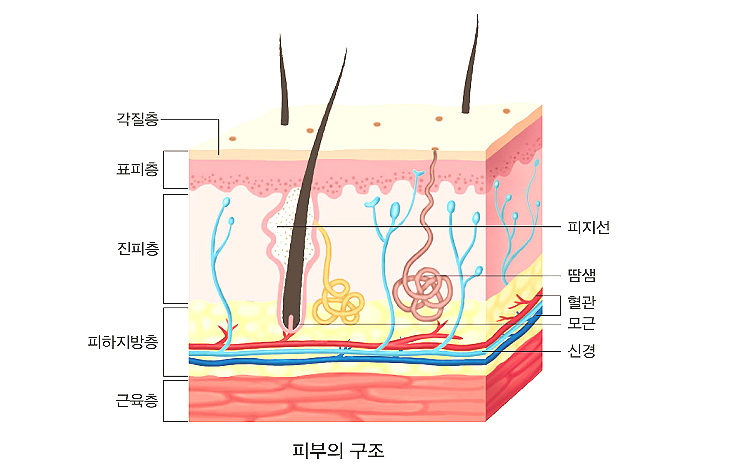
The temples have blood vessels that need attention, such as the superficial temporal artery, and the side cheeks are an area where facial muscles and fat layers are intricately intertwined. To be very honest, Teosyal, being a filler, can cause swelling or bruising, and rarely, there is a possibility of blood vessel-related problems.
Also, because each area requires different degrees of firmness and flexibility, if the correct line of Teosyal filler products is not chosen, the results may not meet expectations. (In my personal opinion, these aspects can be greatly reduced by carefully checking the vascular course and tissue layers before the procedure and determining the appropriate line and injection depth for the area.^^)
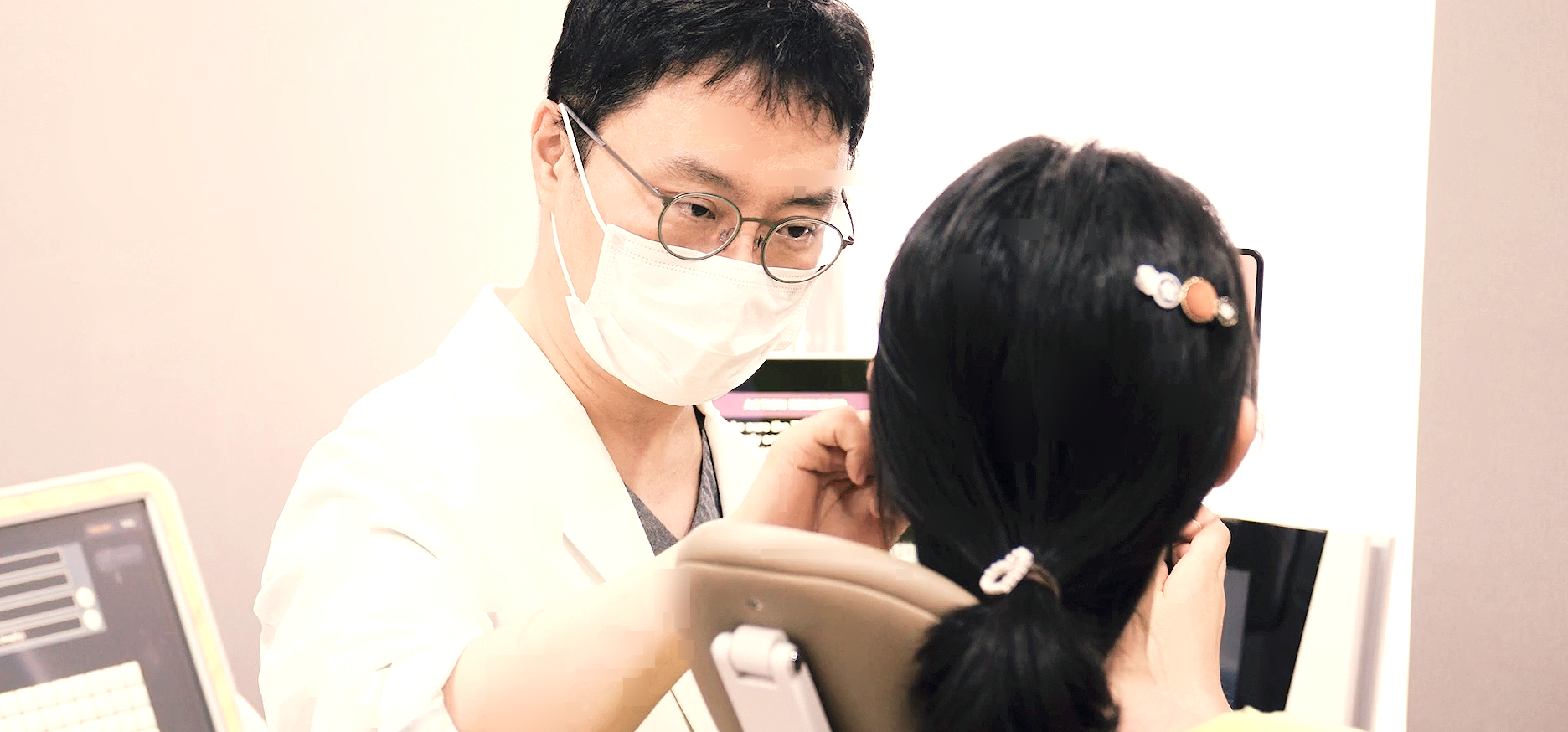
When performing temple and side cheek filler, I first measure the skin condition and the degree of hollowness before the procedure, and check the face both at rest and when making expressions. Then, considering the vascular course and layers, I directly design which line to use and how much to inject into which area, and I do not excessively increase the injection amount compared to the degree of hollowness.
I also continue to monitor the process of swelling reduction and settling after the procedure. Therefore, during consultation, it's a good idea to ask, "Considering the location of my temple blood vessels and my usual facial expressions, which layer would be best for injection?"
Ultimately, 'filler that looks natural even when moving' is not completed by the type of product. It is important how meticulously the filler's properties suitable for movement, as well as invisible blood vessels and layers, are considered and designed.
Teosyal filler reviews? If you're worried about sunken temples and side cheeks (must-read)
3. Concluding Remarks
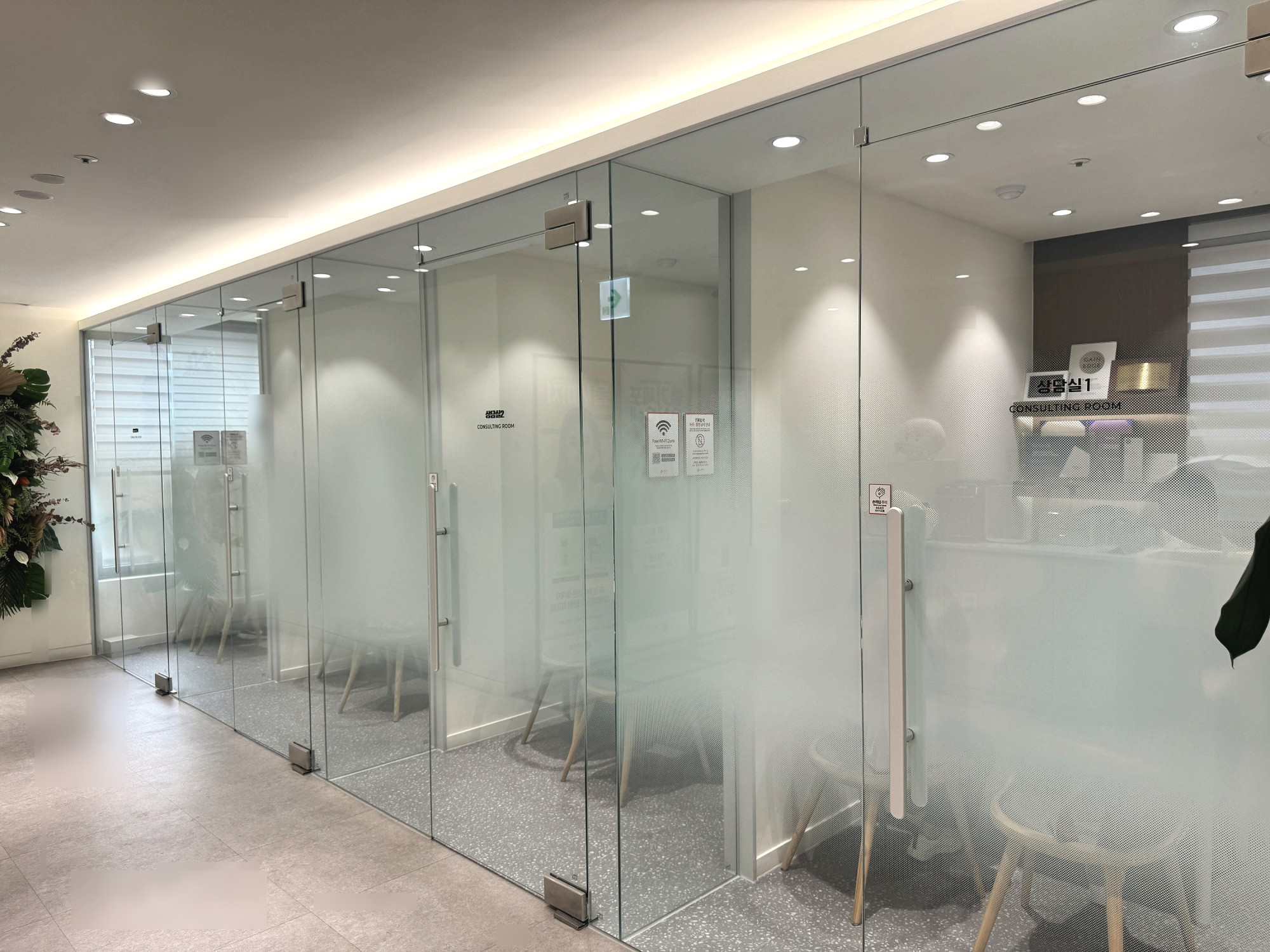
As mentioned earlier, examining the filler's properties, vascular layers, and anatomical structure before the procedure greatly influences the results. I hope you carefully examine not only your face at rest but also your usual expressions, undergo a suitable filler procedure, and continue your daily life comfortably facing your smiling self in photos.
If you have any questions or need consultation after reading today's column, please feel free to contact O.N Clinic. This has been Dr. Oh Seung-min, the lead director. Thank you.
Frequently Asked Questions
I've heard that if you put filler in your temples, it moves when you eat. Is that true?
There are muscles under the temples that help with mastication, so if a formulation that cannot follow movement is injected or if it's injected into an inappropriate layer, it may look unnatural. Therefore, it is important to choose a filler with flexible properties that can move, and to determine the injection depth after checking the muscle and vascular layers.
If I put filler in my side cheeks, won't my face look bigger?
If the amount is too much or the position is incorrect compared to the degree of hollowness, the face may appear wider. Designing the injection amount and position to naturally connect the sunken boundaries can reduce this concern.
What if my face looks lumpy when I smile after a filler procedure?
Contour irregularities that appear when making expressions often occur when the filler's properties and injection layer do not match the movement. It is advisable to check during the consultation phase whether the face at rest and when smiling are both examined and designed before the procedure.
I've heard that temple filler is dangerous due to blood vessels. Is that true?
Since there are blood vessels in the temples that require caution, the process of checking the vascular course and layers before the procedure is important. Rarely, blood vessel-related problems may occur, so if pain worsens or skin color changes after the procedure, you should inform the clinic immediately.
*Notice
This article was written to provide general medical information about Teosyal filler.
The effect and course of the procedure may vary depending on the individual's skin condition, facial structure, and procedure conditions.
Swelling, bruising, and pain may occur after the procedure, and rarely, side effects such as nodules, inflammation, or vascular occlusion may occur.
The decision on whether and how to perform the procedure is made after consultation with medical staff.
Recommended Articles
Recommended Video
Directions
O.N Clinic · 8th Floor, 428 Gangnam-daero, Gangnam-gu, Seoul


