

"I use a home care device every day, so why is my jawline still the same?" "I'm already managing it with home care, do I really need to get a separate treatment at a dermatology clinic?" These days, there's a really wide variety of skin beauty devices for home use.
If you've been using one consistently but don't see as much change in your facial contours as you expected, you might sometimes wonder, 'Am I using it wrong?' To answer that first, it's not because home care devices are useless.
In fact, various technologies such as high-frequency (RF), LED, and microcurrents are used in home devices, and when used appropriately, they have been reported to potentially help with skin elasticity and texture management. However, what I've realized during my 17 years of performing skin procedures is that 'delivering energy to the skin' and 'accurately delivering the necessary energy to the target skin layer' are slightly different stories.
Nice to meet you.
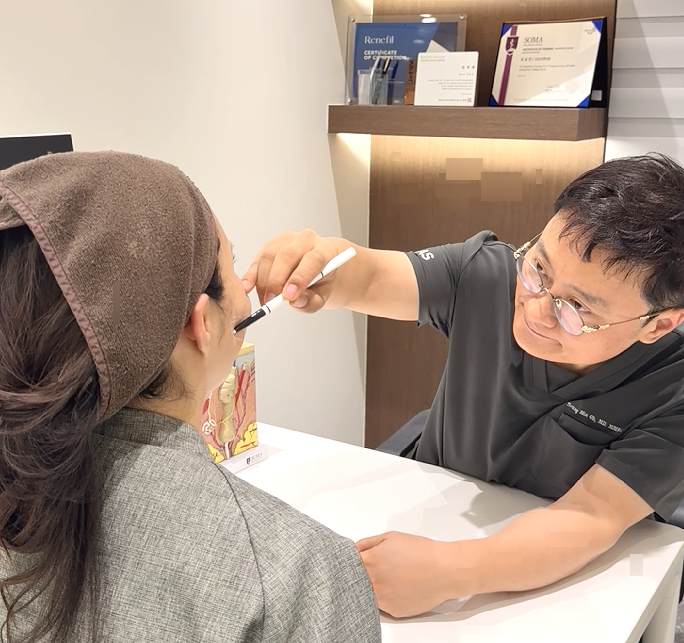
I am Dr. Oh Seung-min, the lead director of O.N Clinic. Today, I'd like to talk about what the actual differences are between home care lifting devices and Ultherapy and Thermage, which are commonly known as representative 'dermatology laser procedures.' (By the way, strictly speaking, neither Ultherapy nor Thermage are lasers.
Ultherapy uses focused ultrasound, and Thermage uses high-frequency energy. ^^;) Please read carefully for 2 minutes. It will help you understand why you might have felt a lack of improvement despite consistent home care, and what dermatologists view differently. What's the difference between home care lifting devices and dermatology lasers?
Contents
- Home care vs. Dermatology lifting devices,
the biggest difference is '00'
- 'Where to deliver it' is
important.
- Concluding remarks
1. Home care vs. Dermatology lifting devices, the biggest difference is '00'
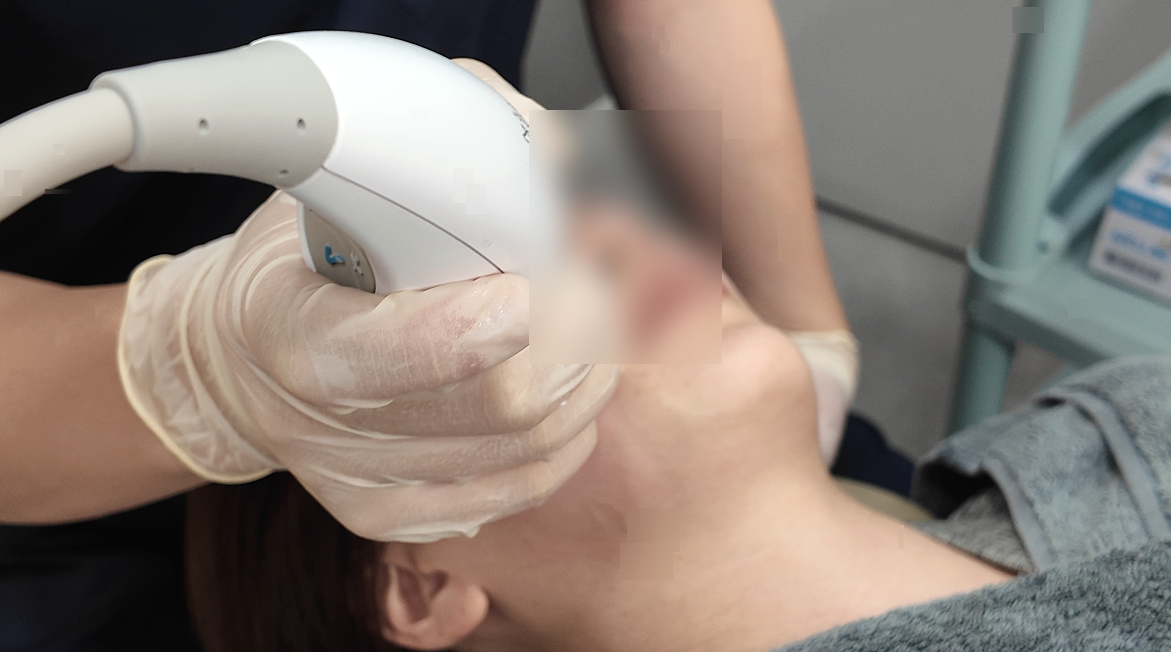
When comparing home devices and equipment used in medical institutions, there's one thing I'd like you to understand first. Just because they use the same principles of 'high-frequency' or 'ultrasound' doesn't mean they are the same type of treatment.
Home care devices are designed on the premise that consumers will use them directly without medical professionals. As products designed for home use, their purpose, output range, and usage methods may differ from medical institution equipment.
Therefore, this can actually be an advantage for daily or regular home care. It's also clear that you can consistently manage your skin condition and use it at your convenience. I don't think home care itself is bad.
However, a common misunderstanding arises here. "I'm using a high-frequency home care lifting device, so isn't it similar to getting Thermage?" It's not necessarily comparable. ^^;
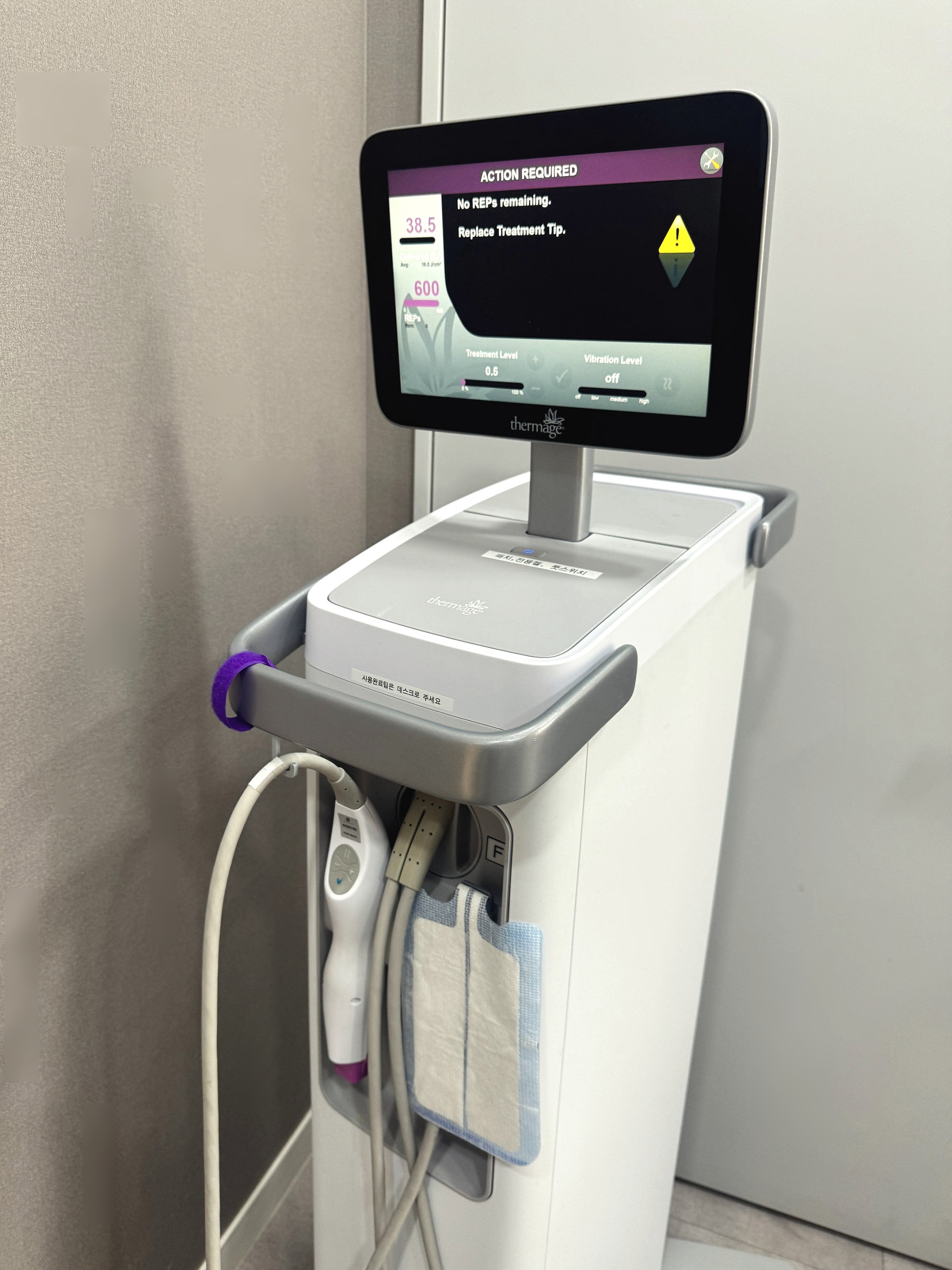
Thermage FLX is a medical device that delivers monopolar high-frequency energy to the skin to generate heat and induce collagen remodeling. While home care RF also utilizes high-frequency, there can be differences in purpose, output range, and application methods between home devices and medical institution equipment.
Here, Ultherapy is different again.
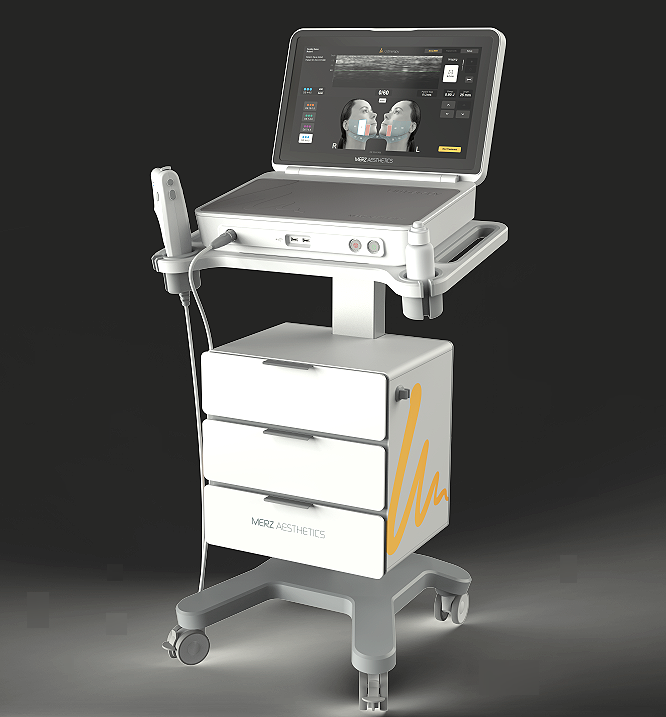
This device uses micro-focused ultrasound to create thermal coagulation points at specific depths below the skin surface. Currently, Ultherapy (PRIME) allows for the selection of depths at
1.5mm
3.0mm
4.5mm
and is designed to allow real-time visualization of target tissues during the procedure. In other words, the reason why the difference between home care and hospital equipment cannot be simply viewed as 'doing it at home or at a dermatology clinic' is clear.
This is because the type of energy, the depth, and the intensity at which it can be delivered can all be different. Therefore, if you've been consistently using a home care lifting device but haven't seen as much improvement in your jawline or sagging as you expected, there's no need to be disappointed and think the device is ineffective.
It's possible that the target skin layer and the actual mechanism of action of the device you're using don't align. So, is it simply because medical institutions use stronger energy that they are different?
I believe the second difference, which I'll explain below, is even more important. What's the difference between home care lifting devices and dermatology lasers?
2. 'Where to deliver it' is important.
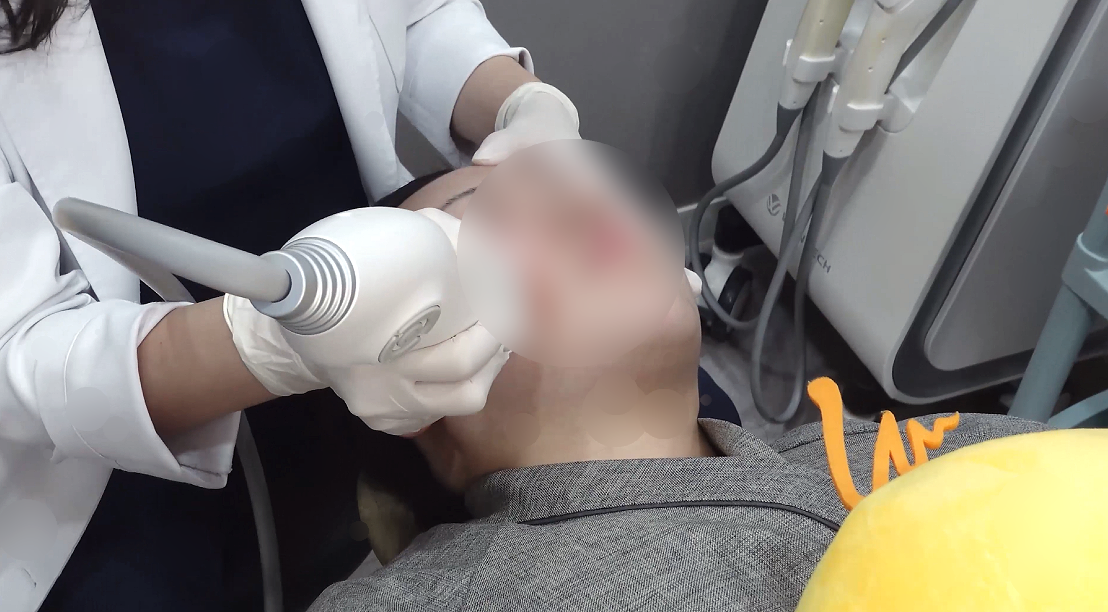
When talking about lifting devices, many people try to choose the 'device' first. "Is Ultherapy right for me?" "Is Thermage better?" "Which areas should I focus on with a home care device?" However, before deciding on a device, I first look at the patient's face.
This is because to determine what to use, one must first understand why sagging has occurred. For example, even if two patients, A and B, both have a blurry jawline... Patient A might show more noticeable skin elasticity loss, while Patient B might show more noticeable changes in volume or fat distribution.
Stimulating the same location in the same way is not always appropriate for individuals with less facial fat compared to those with more.
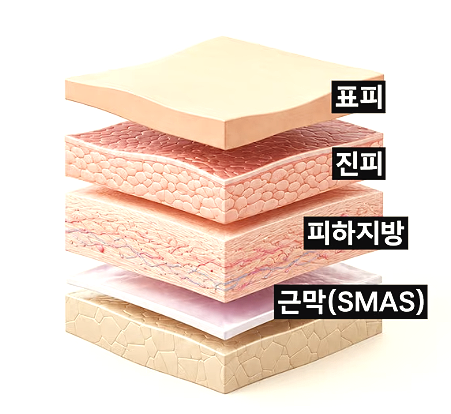
However, when managing with home care lifting devices, it's not easy to accurately distinguish which layer to target or what caused the current sagging. Even if you diligently use it along your jawline as instructed in the manual, if it's not suitable for your area of concern, the perceived change might not be as significant as expected.
Conversely, Ultherapy used in hospitals is designed to allow medical professionals to confirm the tissue and depth to be treated through real-time ultrasound imaging. Thermage is also not simply about repeatedly applying the same energy to the entire face...
Instead, the medical professional performing the procedure examines the skin and facial shape, then adjusts the treatment area and energy delivery. Therefore, even when I receive requests like "Please make it as strong as possible," I do not deliver energy in the same way to the entire face.
I tend to differentiate between areas with prominent hollowness, areas with noticeable loss of elasticity, and areas where the contour appears different due to fat and bone structure. This is because using strong energy does not automatically make a lifting procedure more effective.
In fact, if energy is concentrated on the wrong layer or area without considering one's skin condition and facial structure, one might experience changes different from what was desired. Home care devices should be considered in the same context.
Just because you bought an expensive device doesn't mean that applying high-intensity energy to your entire face for a long time is the correct answer. Each product uses a different energy source and method of use, so adhering to the areas and usage methods guided by the manufacturer is paramount.
Beyond that, it's good to distinguish between areas that can be managed with home care and areas that require evaluation by a medical institution.
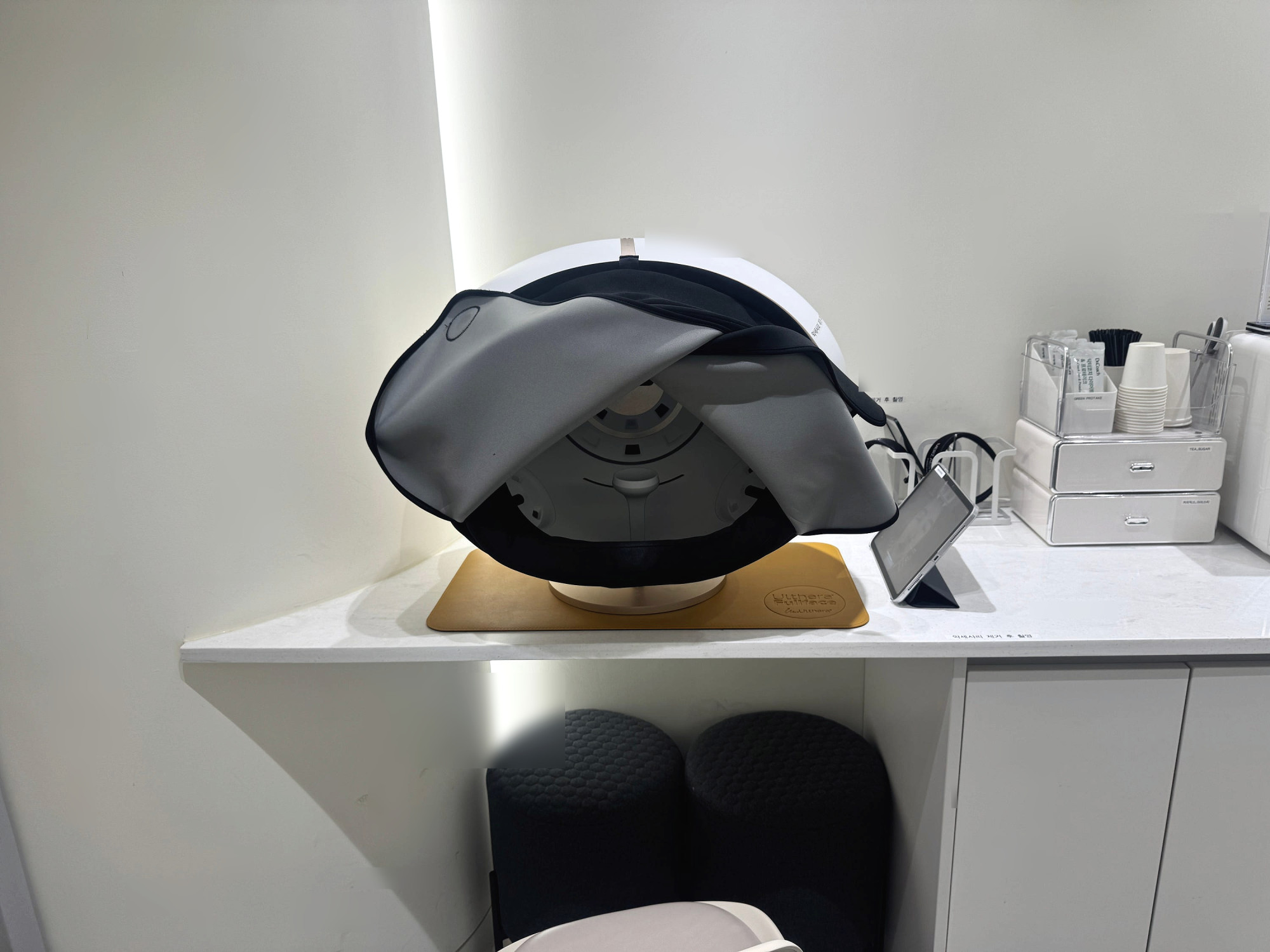
At O.N Clinic, when designing a lifting treatment, I avoid deciding on the device first. I first check the skin thickness and elasticity, facial fat distribution and hollowness, and bone structure and direction of sagging... Then, I personally design which layer and in which direction the procedure will be performed.
If necessary, I might not only use one device but also perform a combination procedure with other devices, or conversely, I might determine that a procedure is not necessary at this time. Therefore, during a consultation, it's also good to ask, "Which layer is the actual cause of my facial sagging located in?"
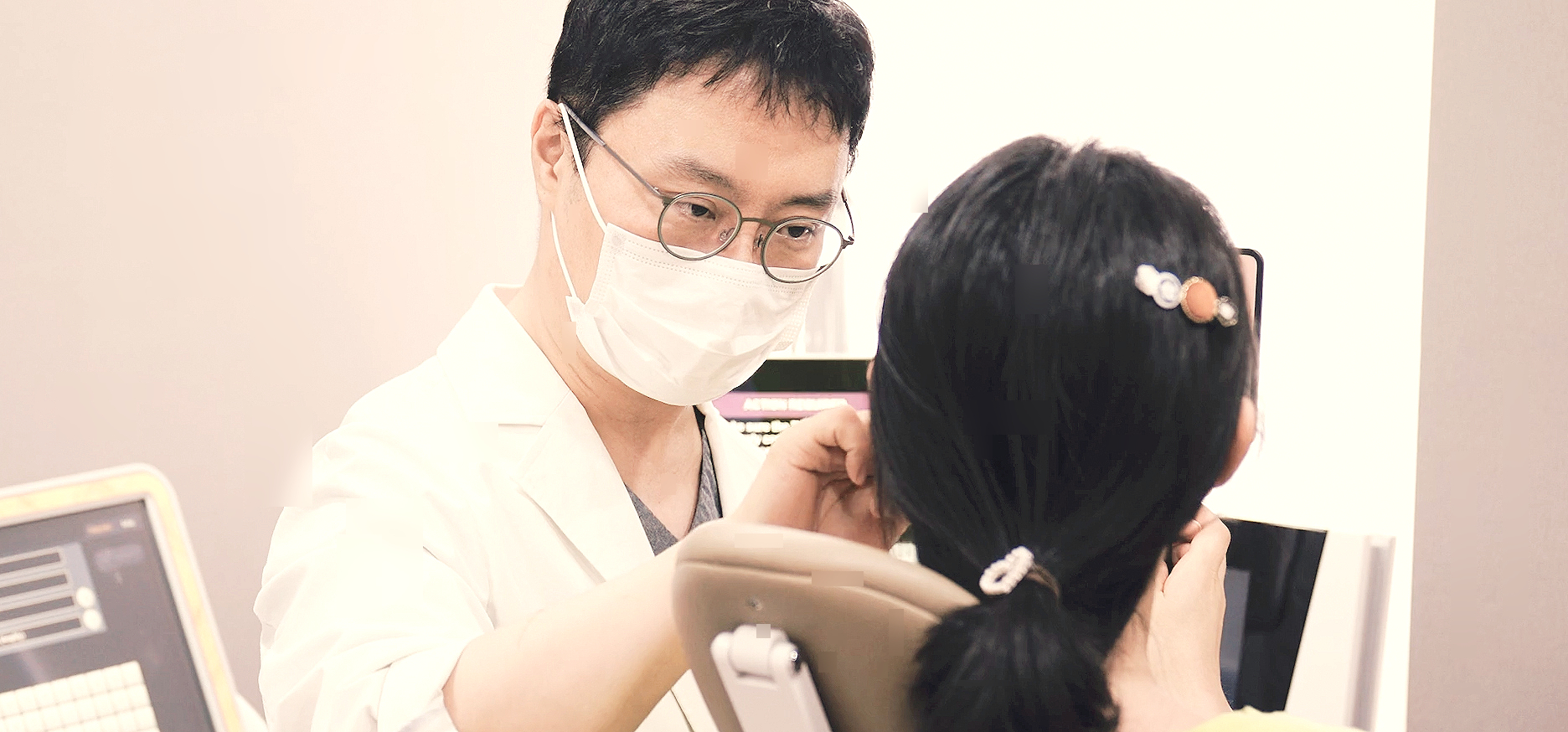
I hope there's no misunderstanding here. ^^; I'm absolutely not saying you shouldn't use home care devices and must get dermatology procedures. Recent research also reports that some home RF and LED devices can be expected to have a certain level of effectiveness in managing skin aging when used appropriately.
However, rather than comparing them on the premise of achieving the same results as professional medical equipment... it's better to think of them as having different roles: home care for consistent self-management, and medical institution energy devices for more precise treatment of necessary points after evaluating skin layers and facial structure.
If you've been diligently using a home care device but feel like there's no change? Before thinking, 'Should I do it more intensely?', I hope you first check if the area you want to manage is the target area of that particular device. ^^ What's the difference between home care lifting devices and dermatology lasers?
3. Concluding remarks

That's all I've prepared for today. I hope this has provided a small answer to those who have consistently used home care devices and wondered, "What's the difference from what I get at a dermatology clinic?" ^^ Home care devices can be used as a way to consistently manage your skin at home.
However... it can be difficult to determine on your own where the cause of sagging lies or which skin layer to target. If you've been consistently managing but are still disappointed with the changes, checking which tissues and layers need to be addressed in your current face can be one approach.
This has been Dr. Oh Seung-min, lead director of O.N Clinic. Thank you for reading this long article. ^^
Frequently Asked Questions
I use it every day at home, but my jawline is still the same. Am I using it wrong?
It's not necessarily that the usage method is wrong. Each home device has different energy sources, outputs, and target areas, and the cause of the sagging you're experiencing might be different from the area that the device acts upon.
If I use it strongly, won't it tighten faster?
It's not that simple. For home devices, it's paramount to use them according to the intensity and frequency set by the manufacturer, and arbitrarily increasing the intensity or usage time is not recommended.
I don't have much facial fat, is it okay to keep using it at home?
It's difficult to determine usability based solely on the amount of facial fat. Especially if both hollowness and sagging are present, it's better to first check your facial structure and skin condition rather than indiscriminately focusing on one area.
My cheeks are fine, but my jawline keeps feeling like it's sagging.
Even within the same face, skin thickness, fat distribution, and the cause of sagging can vary by area. Rather than stimulating the entire face in the same way just because your jawline is a concern, it's better to first understand why that particular area appears that way.
*Notice
Home care beauty devices may have different energy sources, usage methods, and precautions for each product, so please check the manufacturer's usage guidelines.
Energy-based medical procedures may also vary in suitable types and methods depending on an individual's skin thickness, fat distribution, facial structure, etc.
Please consult sufficiently with a medical professional before the procedure and proceed after confirming that it is appropriate for your skin condition.
Recommended articles to read together
Recommended videos to watch together
Directions
O.N Clinic · 8th Floor, 428 Gangnam-daero, Gangnam-gu, Seoul


