

Key Summary: Ultherapy is a Lifting & Tightening procedure that induces collagen regeneration using ultrasound thermal energy.
Its effects are not permanent, and repeat management at appropriate intervals may be necessary depending on the individual's skin condition.
If the goal is elasticity management, an interval of one year is generally considered, while an interval of six months may be considered if aging is progressing rapidly.
It is safer to determine the exact interval through a medical consultation.
Take just one minute to read this.
Why are Ultherapy effects not felt immediately?
During Ultherapy consultations in the examination room, we often hear comments like, "I didn't notice any change immediately after the procedure."
This is less of a misunderstanding and more due to how Ultherapy works.
Ultherapy is not a procedure that shows immediate changes right after treatment.
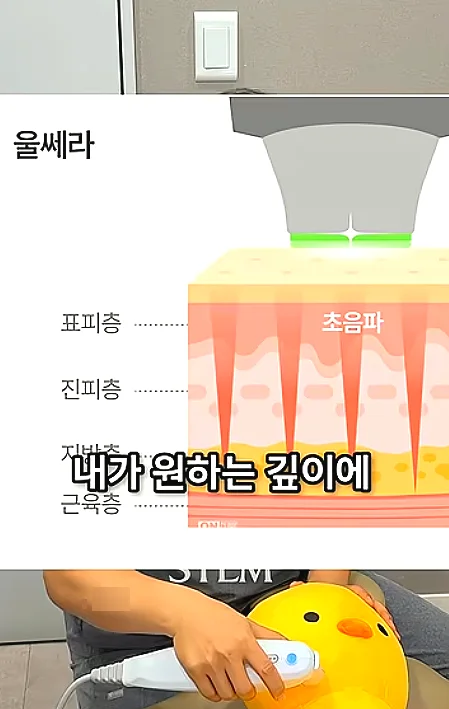
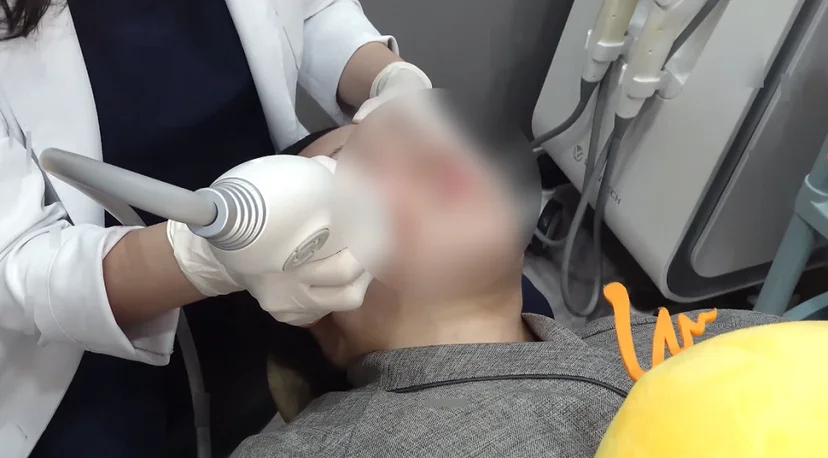
When ultrasound thermal energy is delivered to the SMAS layer, a deep layer of the skin, this stimulation signals the gradual new production of collagen.
This process requires a certain amount of time.
Therefore, many people feel changes in elasticity several weeks to a couple of months after the procedure, rather than immediately after.
Generally, changes begin to appear one to two months after the procedure, and the period when the effects are clearly felt is often considered to be around six months.
Even after this, newly formed collagen gradually decreases and the effects gently continue, so repeat procedures for maintenance purposes may be considered with an interval of up to one year.
In summary, the flow is as follows:
The results of Ultherapy appear in a flow that is "gradually improving and maintained for a certain period," rather than "immediately complete." Understanding this flow can reduce situations where one misunderstands that there is no effect immediately after the procedure.
(※ The degree and duration of effects may vary depending on individual skin condition, rate of aging, lifestyle, etc.)
Even if the same procedure is received, the results may appear differently, so it is important to accurately understand your skin condition and adjust expectations.
If you are curious about the differences based on the procedure method or hand technique, you may also refer to Ultherapy Two-Hand vs. One-Hand Procedure Difference.
Ultherapy is not a one-time treatment.
It is important to know that Ultherapy effects are not permanent.
The core reason is simple: aging continues regardless of the procedure.
Over time, the collagen newly produced by the procedure may also gradually decrease again.
Therefore, rather than fixing the condition with a single procedure, managing it consistently at appropriate intervals may help maintain elasticity.
We recommend viewing Ultherapy not as a one-time event, but as a pillar of ongoing management.
Even for Lifting & Tightening of the same kind, the approach differs depending on the area or purpose. For example, the perspective of dividing elasticity and depth, such as in Double Chin Ultherapy Lifting Effects, can also be helpful.
If you have any questions, feel free to ask. Chat for a consultation now
6 months vs. 1 year: Divided by 'this standard'
Ultherapy treatment cycles can largely be considered based on two criteria.
If the decrease in elasticity is not severe and the purpose is prevention and management, an interval of one year may be considered. If aging is rapid or already significantly progressed, an interval of six months may be considered.
| Category | Target | Considered Interval | Reason |
|---|---|---|---|
| Prevention and Management | Cases with mild elasticity loss | Around 1 year | Allows sufficient time for collagen changes to settle |
| Active Management | Cases with rapid sagging or elasticity loss | Around 6 months | Elasticity may further decrease while waiting |
The reason for considering a one-year interval is to allow sufficient time for the collagen changes produced by the skin after the procedure to settle.
Receiving it more frequently does not necessarily lead to better results; rather, it is important to continue while respecting the skin's recovery cycle.
This interval is often generally suitable if elasticity management is the primary goal.
On the other hand, for individuals of the same age who experience rapid sagging or elasticity loss, or whose aging is already significantly progressed, waiting a year may lead to further decrease in elasticity.
In such cases, managing at six-month intervals may be more beneficial.
When determining your cycle, we recommend following these steps:
- Check the current skin elasticity and degree of sagging.
- Observe if the rate of aging has been rapid recently.
- Distinguish whether the purpose is prevention and management, or to address existing sagging.
- Based on the above, consult with medical staff to determine the interval.
The appropriate cycle varies from person to person.
We recommend actively utilizing medical consultations, especially when it is difficult to judge for yourself.
If you wish to further divide the criteria between 6 months and 1 year, referring to Ultherapy Cycle: 6 Months vs. 1 Year Comparison may also be helpful.
Will frequent treatments improve the effect?
To put it simply, no.
Ultherapy requires time for the collagen changes produced by the skin to settle.
It is better to continue at appropriate intervals, respecting the skin's recovery cycle, rather than repeating at too short intervals.
Please remember that receiving treatments frequently and in short intervals does not necessarily lead to better results.
Before the procedure, be aware of these reactions
After an Ultherapy procedure, the following reactions may occur in the treated area:
- Pain
- Redness
- Swelling
- Heat sensation
Most of these tend to subside over time, but rarely, burns or temporary sensory changes due to nerve stimulation may occur.
Therefore, a thorough consultation with medical staff before the procedure is important.
The applicability, intensity, and cycle of the procedure vary depending on individual skin conditions and must be determined through medical examination and consultation.
It may not be appropriate to determine the cycle or intensity yourself based solely on information found online.
Since the effects and reactions of Ultherapy vary individually, making it difficult to definitively conclude results, it is advisable to realistically adjust expectations before the procedure and create a customized plan suitable for your skin condition.
Furthermore, Ultherapy is not completed with a single procedure; it is better to approach it as a way to maintain elasticity through consistent management.
Post-procedure skin care methods and lifestyle habits can also affect the results, so please be sure to check the medical staff's post-care instructions.
If you are scheduled for a PRIME procedure, we recommend reviewing Ultherapy PRIME Pre-Treatment Checklist in advance.
Frequently Asked Questions
Does Ultherapy last a long time with just one treatment?
Ultherapy effects are not permanent. Aging continues regardless of the procedure, so newly produced collagen may gradually decrease over time.
Generally, the period when effects are clear is often considered to be around six months, and consistent management at appropriate intervals may help maintain elasticity.
Do Ultherapy effects appear immediately after the procedure?
It is not a method that shows immediate changes.
Since ultrasound thermal energy is delivered to the deep layers of the skin, and collagen is gradually produced, changes generally begin to appear one to two months after the procedure.
(※ The timing and degree of change may vary depending on individual skin condition.)
What is the Ultherapy treatment cycle?
If the goal is elasticity management, an interval of one year may be considered. If aging is rapid or already significantly progressed, an interval of six months may be considered.
However, the appropriate cycle varies depending on individual skin elasticity, degree of sagging, and rate of aging, so it is recommended to determine it through a medical consultation with the medical staff.
What reactions can occur after an Ultherapy procedure?
Pain, redness, swelling, and a sensation of heat may appear in the treated area.
Rarely, burns or temporary sensory changes due to nerve stimulation may occur, and the degree of reaction may vary individually.
It is important to confirm your condition through a thorough consultation with medical staff before the procedure.
Does receiving treatments more frequently lead to better effects?
No, it does not. Since time is needed for collagen changes to settle, it is better to continue at appropriate intervals, respecting the skin's recovery cycle, rather than repeating at short intervals.
The cycle may vary depending on individual conditions, so it is recommended to determine it through consultation with medical staff.
If you are concerned about how to set the cycle or intensity, Chat for a consultation now
Recovery and Downtime: What to expect after Ultherapy
Ultherapy is a Lifting & Tightening procedure that uses ultrasound thermal energy. It is performed without incision, allowing for a relatively quick return to daily life.
Immediately after the procedure, redness, heat sensation, numbness, and mild swelling may appear, but these generally subside within a few days, and the recovery pattern varies individually.
The stiffness or pressed sensation felt when pressing the treated area also often subsides over time.
Rarely, burns or temporary sensory changes have been reported, so if any reactions persist for a long time, we recommend seeking a medical consultation.
How is the cost structured?
Ultherapy costs are not a single fixed amount but vary depending on several factors.
- Treatment area (full face, double chin, neck, etc.) and scope
- Number of shots (lines) delivered
- Depth of the cartridge used
- Method, such as PRIME
- Inclusion of post-care
Even for the same Ultherapy, the plan changes depending on the individual's skin condition and goals, so for accurate costs, it is more precise to receive guidance through a medical consultation after checking your skin condition.
Visit and Consultation Information
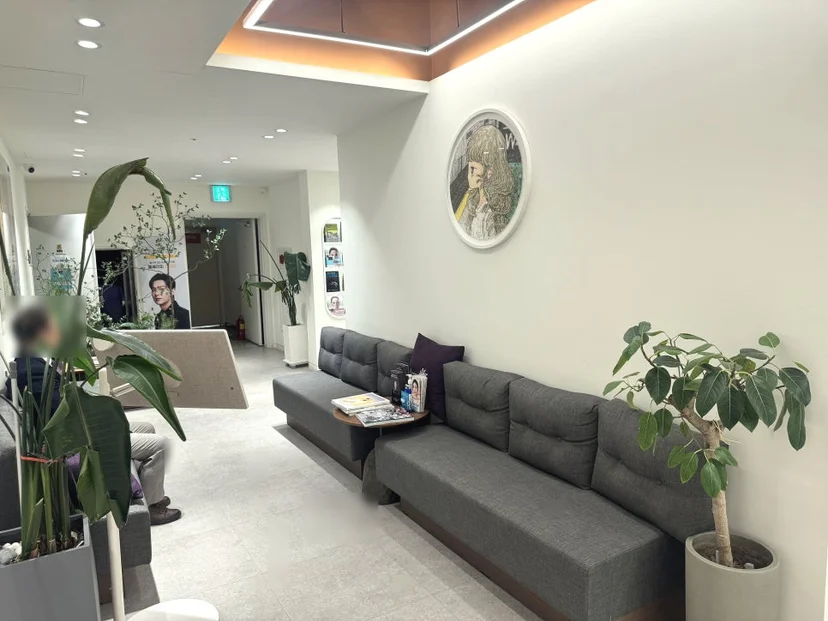
O.N Clinic is located near Sinnonhyeon Station and Gangnam Station, making it easily accessible by subway.
If you are curious about the Ultherapy cycle or intensity, you can inquire via chat before your visit and make a reservation, which will make the consultation much smoother. Chat for a consultation now
Author: Dr. Oh Seung-Min (Chief Director, O.N Clinic; Graduated from Seoul National University College of Medicine; Academic Committee Chairman, Korean Association of Laser, Dermatology and Hair). For more details on his background, please refer to Medical Staff Introduction. First published 2026-06-30 / Last reviewed 2026-08-15
This article is for general information purposes only, and appropriate treatment and results may vary depending on individual conditions.


