

When I'm doing Lifting & Tightening consultations in the clinic, I almost always get the question, "Is Alltite better, or Ultherapy better?"
Each time, I don't answer immediately; instead, I first feel the patient's skin.
This is because the two procedures are not in a relationship where one is superior to the other; rather, they are more like tools that solve different problems.
In this article, I will explain the differences in the principles of these two devices and the criteria I use to determine which direction to take, using language from the clinic.
Please take just one minute to read this.
Alltite and Ultherapy: Why can't they be categorized as one?
Alltite and Ultherapy are both procedures that deliver thermal energy into the skin to help manage the elasticity of sagging tissues.
While their goals are similar, they diverge in what energy they deliver and to what depth.
It's similar to how you might smooth out wrinkled clothes: one way is by pressing with an iron, and another is by using steam to smooth the fabric.
If an iron, which presses deeply on one spot, is Ultherapy, then steam, which evenly smooths the texture over a wide area, is closer to Alltite.
Therefore, the question "Which of the two is better?" should actually be rephrased as "Is my skin problem related to depth or breadth?" to get an answer.
Ultherapy is a procedure that goes 'deep'
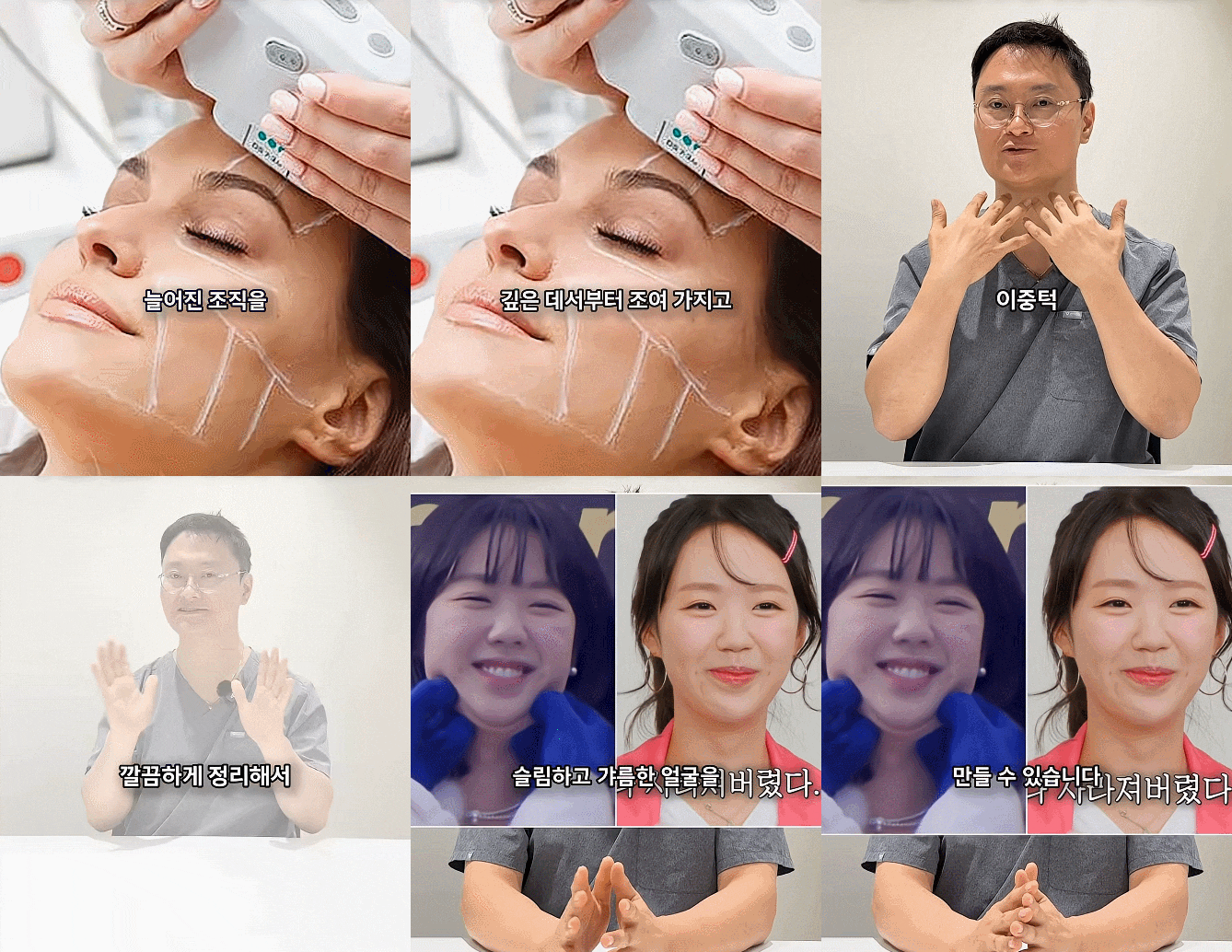
Ultherapy uses High-Intensity Focused Ultrasound (HIFU).
The core of this procedure is to focus energy on a single point and deliver it to the deep SMAS (superficial muscular aponeurotic system) layer of the skin.
This SMAS layer is known to be addressed in facelift Surgery, and Ultherapy helps manage elasticity by creating thermal coagulation points in that very layer.
There's one more characteristic.
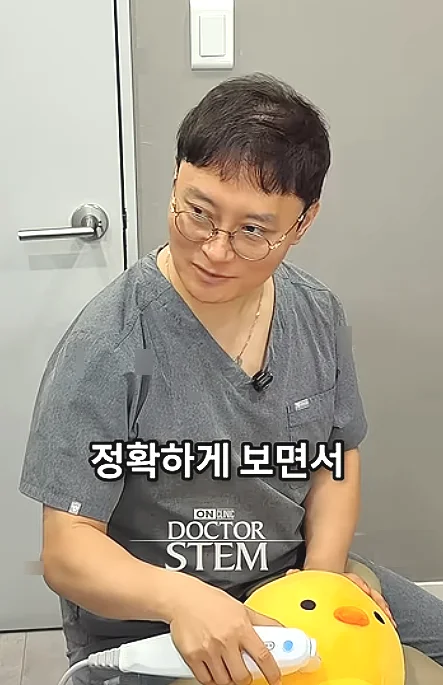
It allows for visual confirmation of the skin layers on an ultrasound screen, enabling energy delivery to the desired depth.
This means that the depth and amount of energy delivered can be adjusted while observing which layer it reaches.
If you look in the mirror and your jawline or cheeks are noticeably sagging and feel heavy, you might consider Ultherapy-type procedures that access deeper layers.
It is highly effective in situations where deep access is needed for skin that has already experienced a certain degree of sagging.
However, because strong energy is concentrated in the deep layers, you may feel relatively more discomfort during the procedure.
For thin or sensitive skin, strong ultrasound energy might be too much, so it may be appropriate to adjust the intensity or choose a different approach depending on skin thickness and condition.
A common question at this point is about the difference in procedure methods. Reading the article on the difference between Ultherapy two-hand and one-hand procedures together may help you understand this part.
Alltite is good for 'these' cases
Alltite is a radiofrequency (RF) device that utilizes DLTD technology.
It is known to target both the dermis and SMAS layers, but its approach differs from Ultherapy in that it delivers heat evenly over a wide area rather than focusing on a single point.
Due to these characteristics, I often consider Alltite in the following cases:
- When the main concern is overall loss of elasticity rather than significant sagging.
- When you want to manage fine lines, skin texture, and tone along with elasticity.
- When it's your first Lifting & Tightening procedure and strong stimulation feels burdensome.
It is known to cause relatively less discomfort, so those who are sensitive to pain or are trying Lifting & Tightening for the first time tend to feel less burdened.
Conversely, applying an unnecessarily strong procedure to skin with almost no sagging can be burdensome. In such cases, Alltite becomes an option that helps provide an approach suitable for the skin condition.
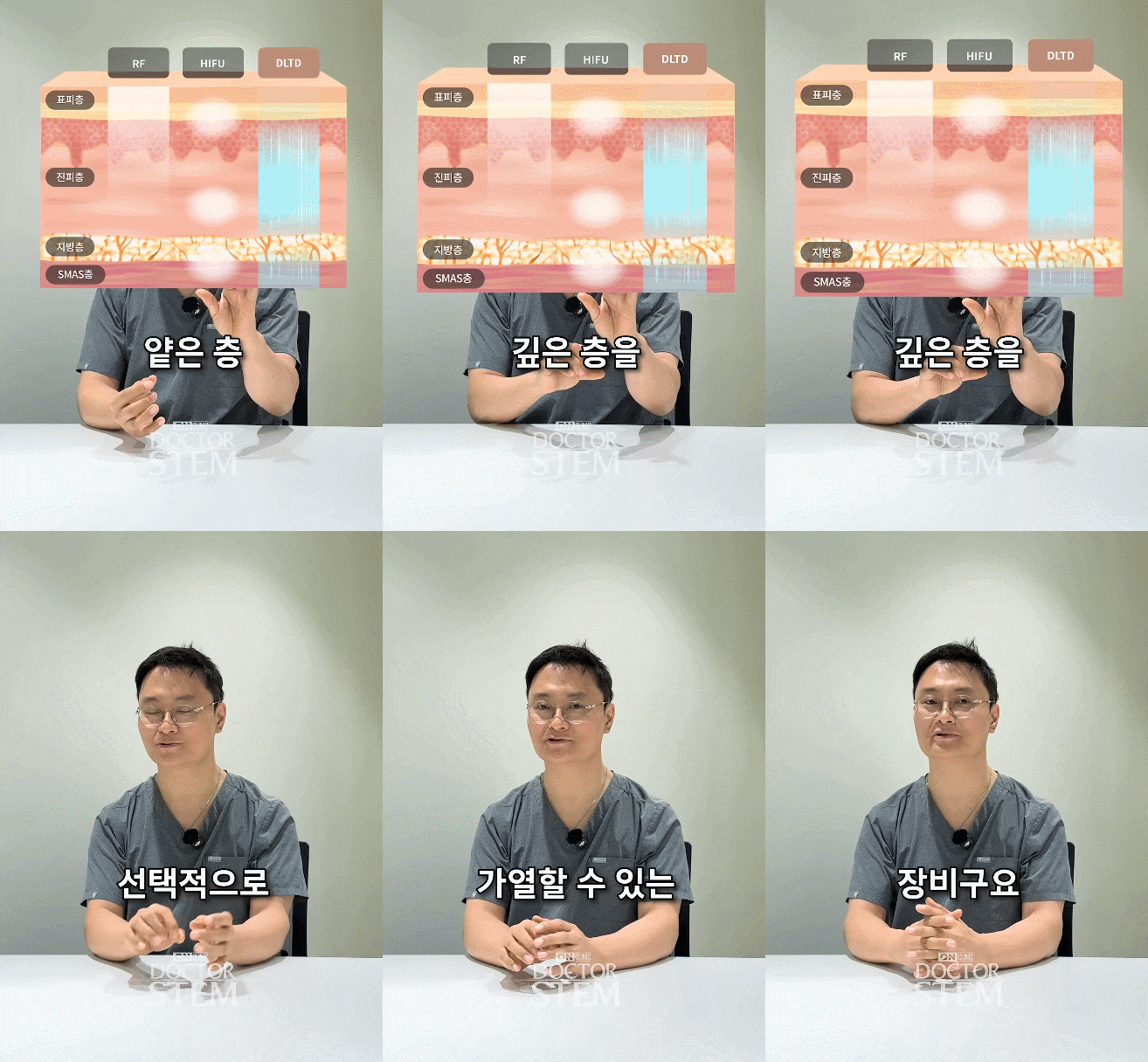
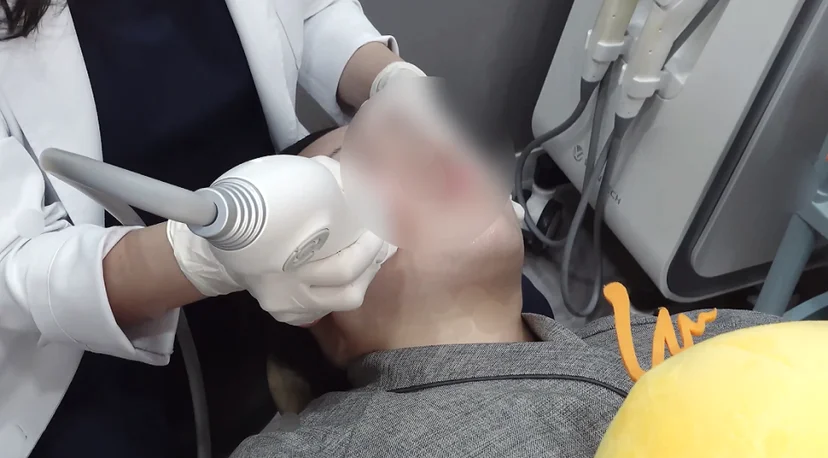
A table clearly shows the differences
A quick comparison of the two procedures' approaches is shown below.
Please consider this table as illustrating that they play different roles, rather than indicating one is superior to the other.
| Category | Ultherapy | Alltite |
|---|---|---|
| Energy | High-Intensity Focused Ultrasound | DLTD Radiofrequency |
| Delivery Method | Focused on one point, deep | Broad and even |
| Main Target Layer | Deep SMAS layer | Dermis and SMAS layers |
| Best Suited for | Pronounced sagging and heaviness | Overall loss of elasticity and skin texture |
| Level of Discomfort | Can be felt relatively strongly | Known to be relatively less |
Ultherapy may be more suitable for deep sagging, while Alltite may be better for overall elasticity and skin texture management over a wider area.
If you're curious about what to prioritize when combining the two procedures, the article that outlines the criteria for distinguishing between prioritizing sagging and prioritizing elasticity covers this in more detail.
So, what criteria do I use to determine the direction?
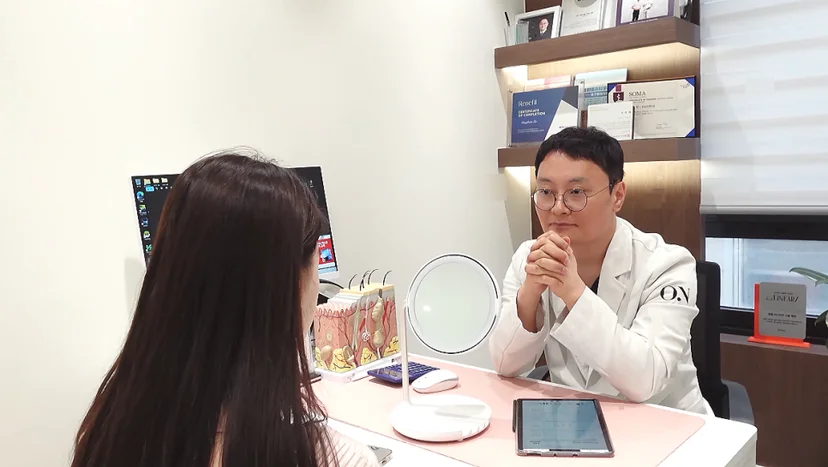
In the clinic, the axes I consider when determining the direction are broadly two-fold.
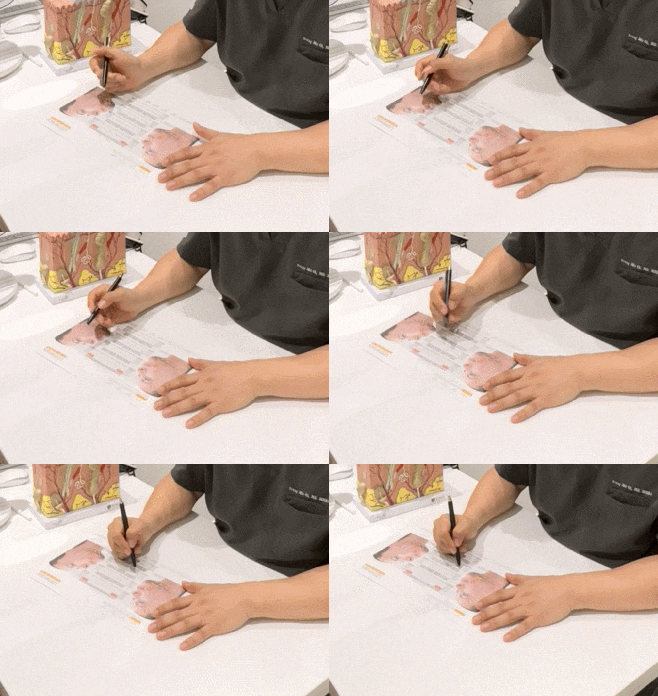
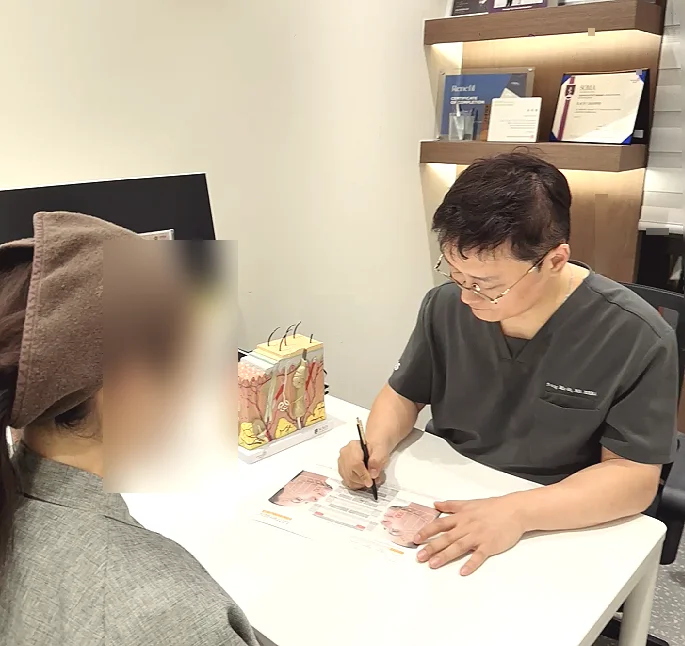
It's difficult to accurately assess these solely through self-judgment, so an examination before the procedure is absolutely necessary.
- Degree and Depth of Sagging — If significant sagging and changes in deep layers are needed, I first consider Ultherapy-type procedures that access the SMAS layer. If the concern is overall loss of elasticity or skin texture, I consider Alltite.
- Skin Thickness and Pain Sensitivity — If the skin is thin or sensitive, strong ultrasound may be burdensome, so adjusting the intensity or an Alltite approach may be safer. If sensitive to pain, I recommend starting with a less stimulating procedure or checking if the clinic provides sufficient pain management, such as anesthesia and sedation.
In some cases, the two procedures may be combined to manage both deep layers and the surface.
However, the decision to combine and the order of procedures are determined after examining skin thickness and the degree of sagging, not predetermined solely by the procedure names.
A good consultation is not one that says, "This device is the best," but one that says, "This approach is right for your skin now." The primary selection criterion, even before the device name, is whether the clinic first assesses your skin condition and then proposes a procedure.
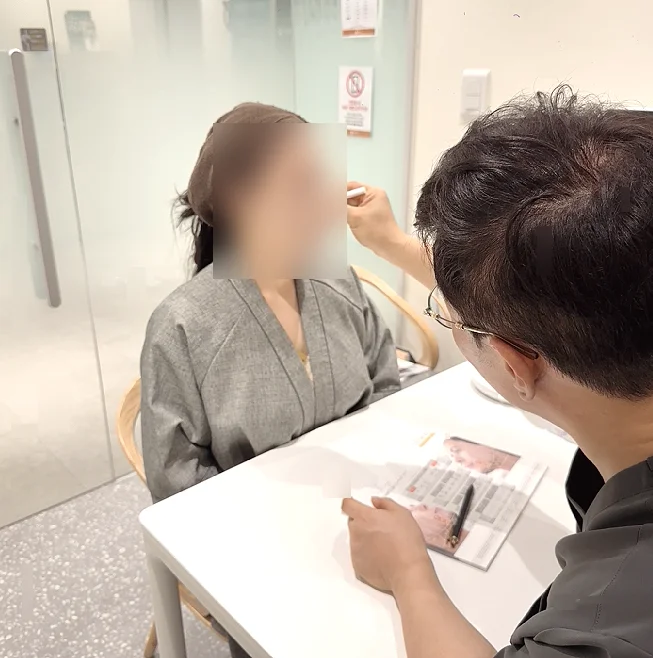
Before the procedure, safety: these points must be checked
(※ For both Ultherapy and Alltite, effects and reactions may vary depending on individual skin condition.)
After the procedure, pain, redness, swelling, and warmth may appear in the treated area, and rarely, burns or temporary sensory changes due to nerve stimulation may occur.
Therefore, the applicability and intensity of the procedure must be determined through consultation and examination by medical staff.
Even if you have a specific procedure in mind, we recommend considering the medical opinion that a different approach might be more suitable for your current skin condition.
For those considering elasticity procedures by age group, the article summarizing criteria to check before elasticity procedures in your 40s may also help guide your decision.
Due to significant individual differences, it is advisable to first check your current skin condition rather than making a decision based solely on others' experiences or procedure names.
Frequently Asked Questions
Which procedure is more effective, Alltite or Ultherapy?
It is difficult to say which one is absolutely superior.
Ultherapy is an ultrasound method that reaches deep layers (SMAS), making it highly effective for cases with a certain degree of sagging. Alltite is a radiofrequency method that delivers heat evenly over a wide area, often suitable for overall loss of elasticity or skin texture management.
The appropriate procedure varies depending on individual skin condition, so it is important to determine the direction through an examination before the procedure.
Can Alltite and Ultherapy be received together?
Depending on the skin condition, a combination of the two procedures can be considered to manage both deep layers and the surface.
The decision to combine and the order of procedures should be determined in consultation with medical staff after examining skin thickness and the degree of sagging.
Is Ultherapy more painful?
Ultherapy delivers strong energy intensively to deep layers, so patients often feel more discomfort than with Alltite.
Alltite is known to cause relatively less discomfort, so those who are sensitive to pain or are trying Lifting & Tightening for the first time tend to feel less burdened.
However, the degree of pain varies individually, so we recommend checking in advance if the clinic provides sufficient pain management, such as anesthesia and sedation.
Can I receive Ultherapy if I have thin skin?
If the skin is thin or sensitive, strong ultrasound energy may be burdensome.
In such cases, adjusting the energy intensity or approaching with Alltite may be safer. It is highly recommended to confirm skin thickness and condition through an examination before the procedure to determine the direction.
Can reactions occur after Alltite and Ultherapy procedures?
For both procedures, pain, redness, swelling, and warmth may appear in the treated area, and rarely, burns or temporary sensory changes due to nerve stimulation may occur.
(※ Effects and reactions vary depending on individual skin condition, so we recommend having a thorough consultation before proceeding with the procedure.)
If you have any questions, you can easily inquire via Chat Consultation.
What about recovery and downtime?
Both Ultherapy and Alltite are non-incisional procedures that use thermal energy, so it is generally possible to return to daily life on the day of the procedure.
Immediately after the procedure, redness, swelling, numbness, and warmth may appear in the treated area, but these usually subside within a few days. The degree of reaction and recovery speed vary individually.
Especially for Ultherapy-type procedures, where energy is concentrated in deeper layers, discomfort during and after the procedure may be felt a bit more. Alltite, which heats a wider area, is known to cause relatively fewer reactions.
After the procedure, adhere to basic care such as moisturizing and sun protection, and if any unusual reactions persist for a long time, we recommend checking with a doctor.
How is the cost structured?
The cost of energy Lifting & Tightening is not fixed at a single price but is divided into several factors.
- Which device is used (Ultherapy, Alltite)
- The treatment area, whether it's the entire face or specific parts like the jawline or cheeks
- The number of shots (lines) delivered
- Whether the two procedures are combined
- Inclusion of post-care
The composition varies depending on these factors.
Therefore, even for the same area, the guidance may differ depending on the skin condition and goals.
The exact cost will be provided during a consultation after examining skin thickness and the degree of sagging. It is advisable to determine the scope through an examination rather than confirming it beforehand based solely on the procedure name.
Visit and Consultation Information
O.N Clinic is conveniently located near Sinnonhyeon Station and Gangnam Station in Gangnam, Seoul, making it easily accessible by subway.
To accurately determine whether Ultherapy or Alltite is suitable, a direct skin examination is necessary. However, if you have any questions before your visit, you can inquire in advance via Chat Consultation.
You can easily check reservation and consultation methods, as well as available clinic hours, through chat. After an examination, we will help you determine the appropriate direction for your skin condition.
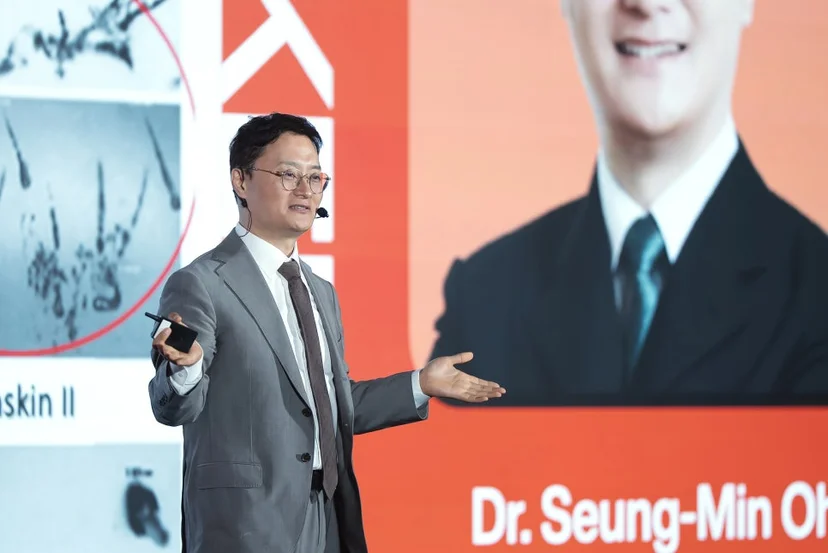
Written by: Dr. Oh Seung-min (Representative Director of O.N Clinic, graduated from Seoul National University College of Medicine, Academic Committee Chairman of the Korean Laser Dermatology and Hair Society). Detailed history can be found in Medical Staff Introduction. First published 2026-06-29 / Last reviewed 2026-08-15
This article is for general information purposes only, and suitable treatments and results may vary depending on individual conditions.


