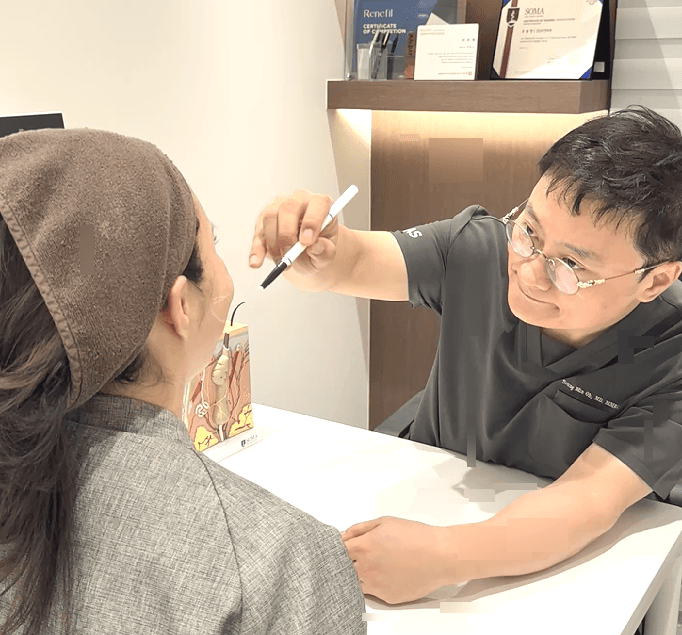
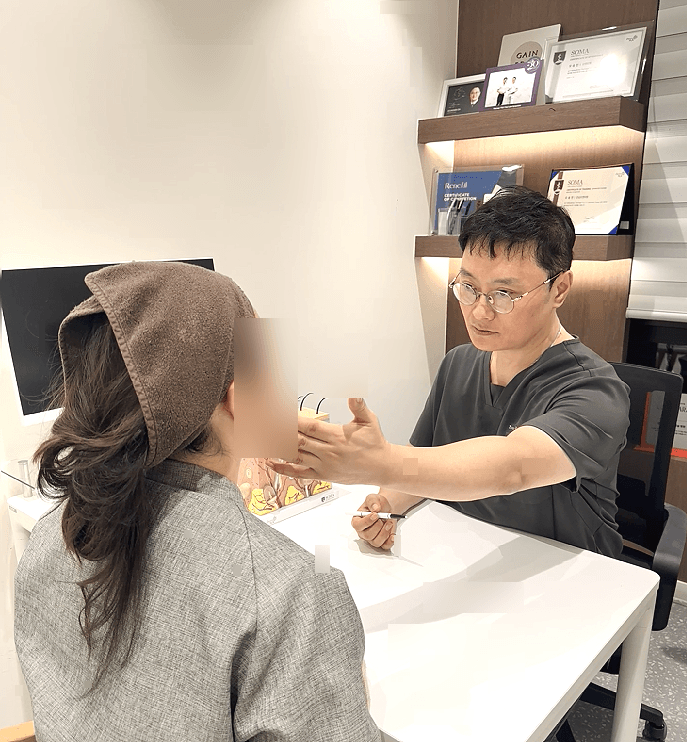
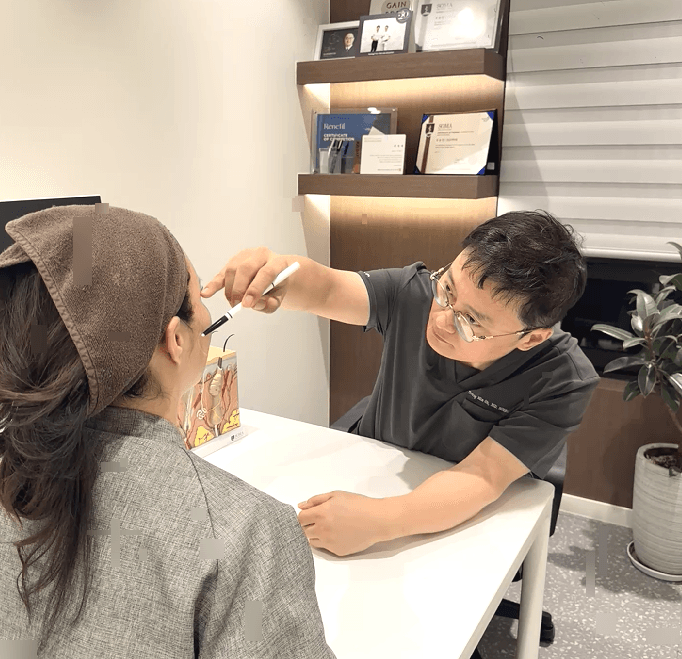
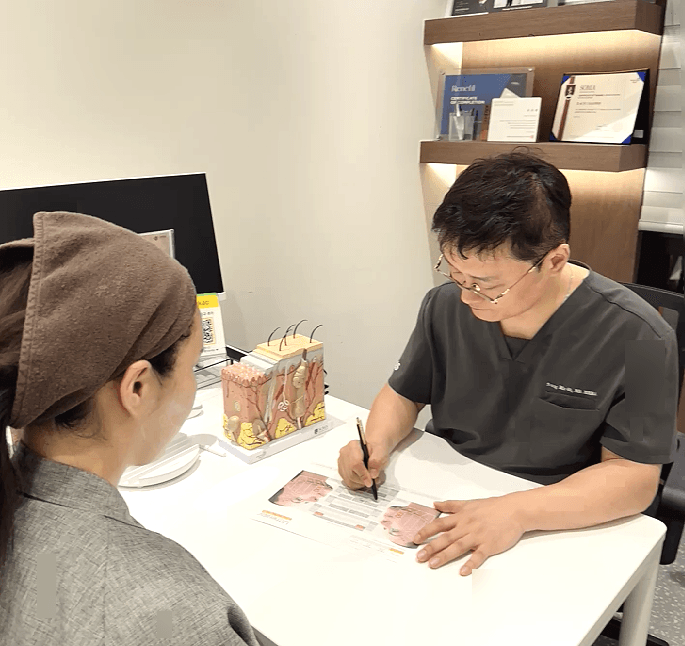
Many people ask, as if to confirm, "Rejuran is every two weeks, right?"
This is likely because they have been informed that way, but this value varies from person to person.
It is not the calendar that determines the interval, but the speed at which the skin reacts.
Please take just one minute to read this.
Why Does the Concept of Intervals Exist?
Rejuran is not a method that reaches its goal in one go. It is structured to provide stimulation, wait for the tissue to react, and then stimulate again.
Therefore, how far the reaction to the previous stimulation has progressed determines the timing of the next session. If stimulation is applied again while a reaction is still in progress, it may not be additive but merely accumulate burden.
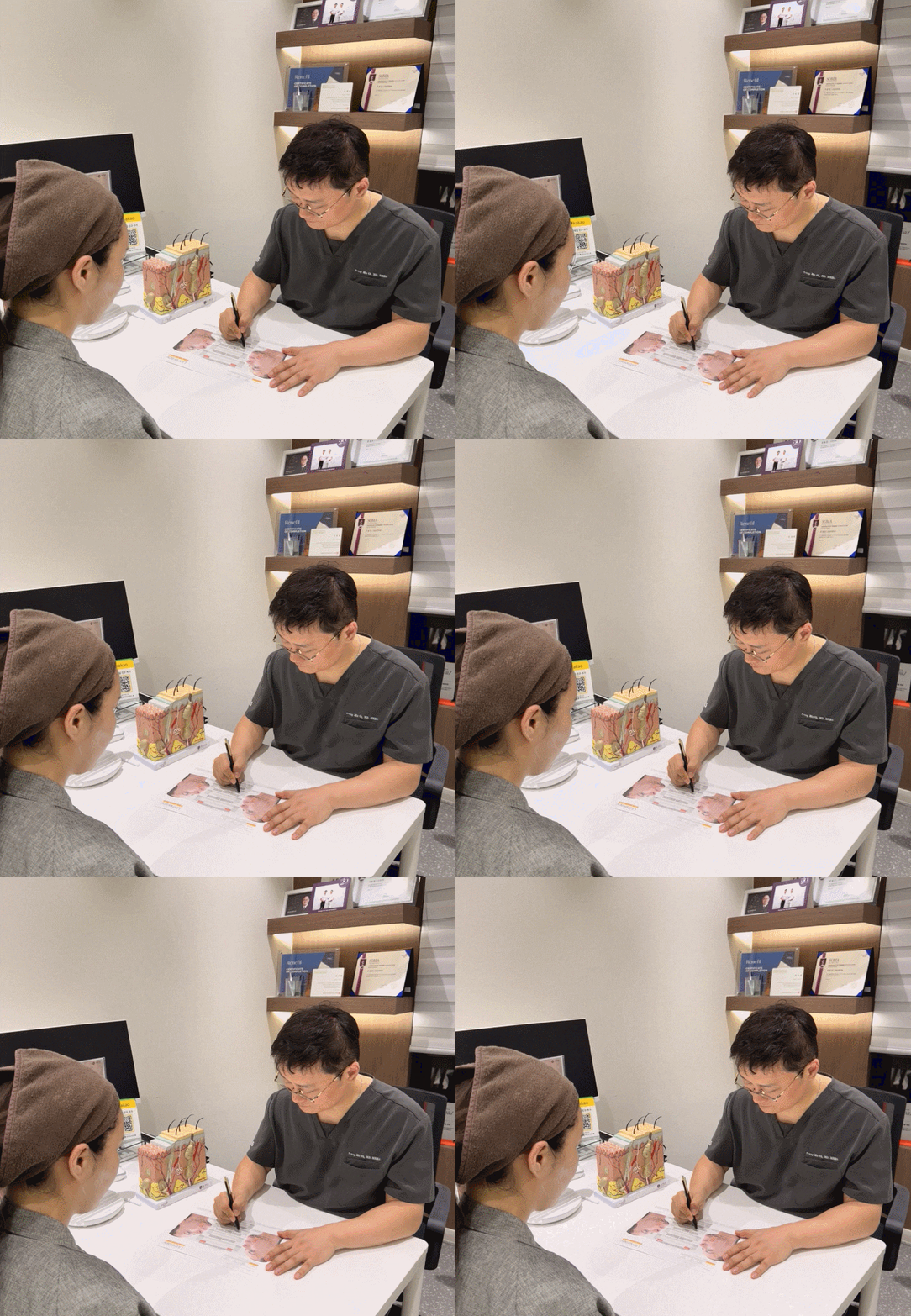
What Shortens and What Lengthens the Interval?
| Condition | Interval Tendency |
|---|---|
| Skin is thin and recovery is slow | Generous |
| Recovery is fast and reaction is good | Relatively short |
| Experience with prolonged swelling/bruising | Generous |
| Initial intensive phase | Shortened initially, then lengthened |
Initially, the interval may be shortened to build up the reaction, and then lengthened for maintenance. Maintaining the same interval from beginning to end is not the principle.
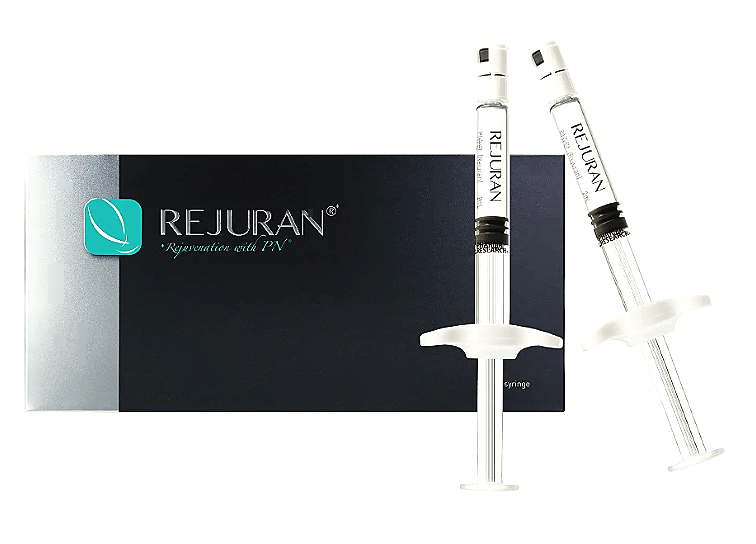
Does Shortening the Interval Make it Faster?
No, it does not. This is because the total amount of stimulation is not directly equivalent to the result.
If the procedure is performed again before the previous reaction has subsided, swelling or nodule formation may overlap, and the skin may be stimulated while it is in a sensitive state.
Trying to finish quickly can sometimes lead to a longer recovery period.
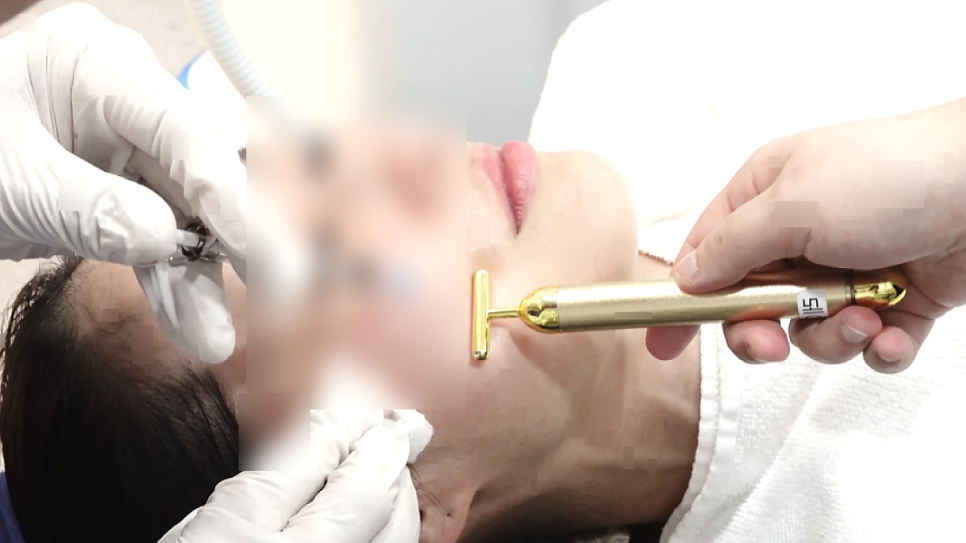
It Also Varies by Area
There are cases where the entire face is not treated with the same interval.
Areas with thin skin, such as around the eyes, may react differently, so the intensity and timing may be varied by area even within the same session.
What to Check When Planning Sessions
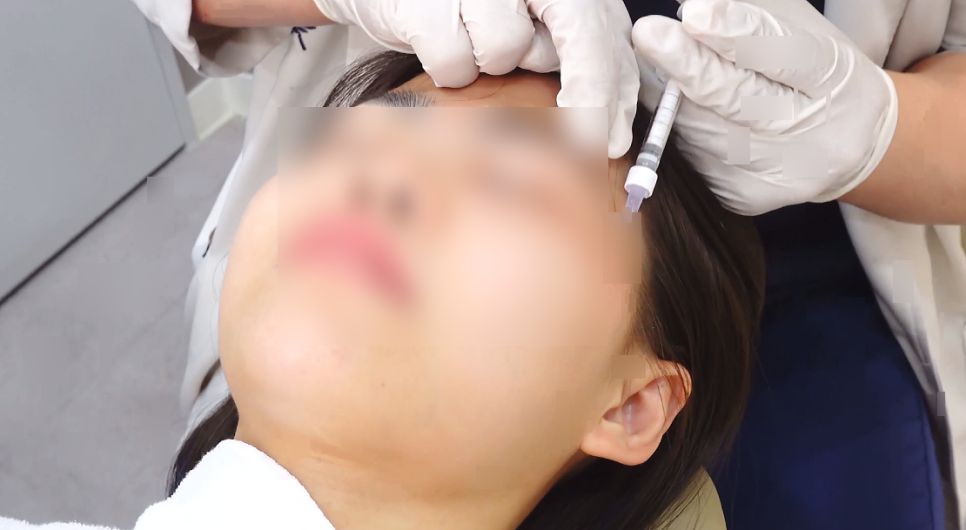
You can ask how many sessions are planned, what criteria will be used to determine the next session's timing, and how progress will be monitored in between.
If you start by only setting a number, there will be no basis for adjustment if the reaction differs from expectations.
If the approach is for recovery, such as when the cheeks have sunken after a Fat Dissolving Injection, the timing judgment will differ. You can refer to the article When Contour Injections Leave Hollow Cheeks.
Recovery and Precautions
Swelling, bruising, and a feeling of thickness may appear at the injection site, and the degree and duration may vary from person to person.
While these reactions persist, the timing of the next session will be re-evaluated. Even if a date is scheduled, it is safer to adjust it according to the condition.
It is advisable to consult with medical staff before proceeding to confirm if the interval is suitable for your skin.
Frequently Asked Questions
Is it always a 2-week interval?
No. While shorter intervals may be used initially, it varies depending on recovery speed and reaction, and it is generally lengthened thereafter.
Why does it differ from person to person?
Because skin thickness, recovery speed, and reactions from previous sessions vary. The same interval does not yield the same results for everyone.
Why is a diagnosis necessary before the procedure?
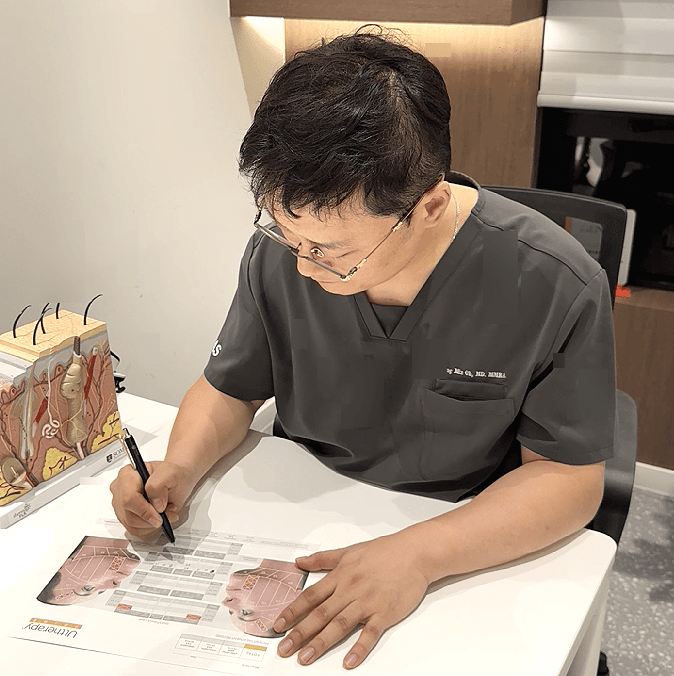
To determine the interval and intensity, the current skin condition and previous reactions must be checked. Without this check, there is no basis for adjustment if only the number of sessions is set.
What if swelling remains on the scheduled date?
It is better to postpone the timing. If stimulation is applied again before the reaction has subsided, the burden may overlap.
What should I confirm during the consultation?
Confirming the number of sessions, the criteria for determining the next timing, and the timing for checking interim progress will make it easier to follow the plan.
Visit and Consultation Information
O.N Clinic is conveniently located near Gangnam Station, making it easily accessible by subway.
It is more accurate to determine the interval by considering both the skin condition and the reaction from previous sessions. For any questions, you can easily inquire via Chat with us now.
Author: Dr. Oh Seung-min (Representative Director of O.N Clinic, graduated from Seoul National University College of Medicine, Academic Committee Chairman of the Korean Society for Laser Dermatology and Hair). For more details on his background, please refer to Medical Staff Introduction. First published 2026-08-17 / Last reviewed 2026-08-25
This article is for general information purposes only, and suitable treatments and results may vary depending on individual conditions.