

Key summary: The common explanation that soft products look natural and firm products last longer is only about half right. What actually separates Teoxane and Restylane in a comparison is flexibility that follows facial movement when you smile and talk, and support that holds the filled shape over time. And before deciding which filler to use, dividing the face into areas to protect, areas to keep and areas to avoid is the starting point of filler design.

Two worries that remain when looking into filler
When reading Teoxane and Restylane comparisons because of hollow cheeks or sunken spots, you often see explanations that end up sorting them by whether the formulation is soft or firm. But the worries that actually come up in consultation are more specific than that formula, and they usually come down to two.

The first is the worry that it will show when you smile. If an area looks fine at rest but stands out like a lump when you smile or chew, the point of filling the volume is reduced. The moment a smile in a photo looks stiff, the filler starts to show, and this depends on how well the filler follows the movement of the face.
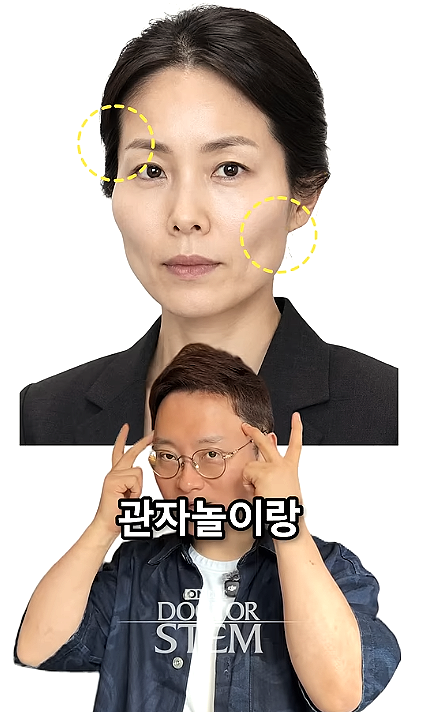
The second is the worry about whether it will support the hollow area for long. If it looked good on the day of treatment but spreads sideways or sinks limply over time, the area looks hollow again. This is a matter of how well the filler maintains the shape it was set in, in other words, support.
Flexibility that stretches with movement and support that holds the shape: the difference between Teoxane and Restylane is divided along exactly these two axes. For reference, Teoxane and Restylane are both hyaluronic acid products, so they share the point that if the shape is unsatisfactory there is room to reverse it with a dissolving enzyme.
Teoxane Teosyal RHA: flexibility that follows movement
Teoxane and Restylane are both hyaluronic acid fillers, but their character differs by how they are made. Teoxane's Teosyal is a filler produced in Switzerland, and its RHA line is made by preserving the long chains of hyaluronic acid as much as possible while applying less cross-linking.
Thanks to this design, it is known to be intended to stretch with the face as it moves and then return to place. Moving together with the surrounding tissue while you talk, smile and chew is the flexibility the Teoxane RHA line puts forward.
Restylane: a wide range of options that hold shape
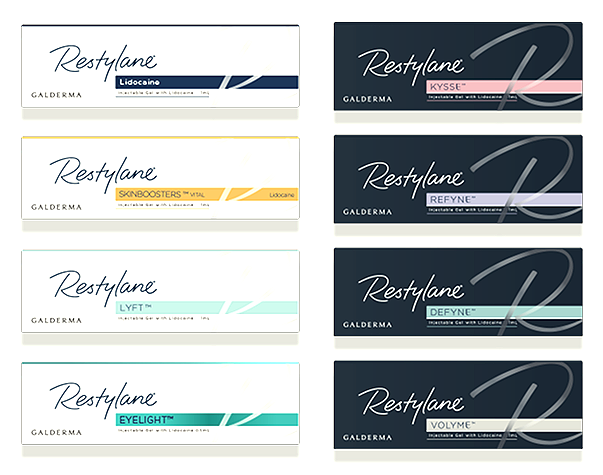
Restylane is a filler made by Galderma, designed with different firmness for each line based on two technologies, NASHA and OBT. The lines used where shape must be built up over bone, such as the nose, chin and front cheeks, have high elasticity and tend to hold their form well.
There are also separate soft lines for areas that move often, such as the lips, so the range of choices in places that need support is wide. Put simply, Teoxane Teosyal is strong at following movement, and Restylane has diverse options on the side of holding shape.
Why we cannot say which filler is better
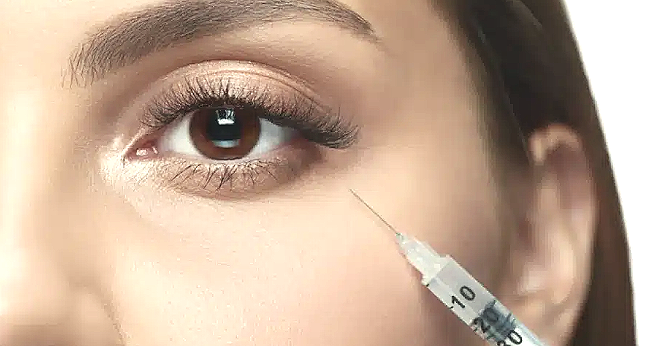
So the question of which filler is better, Teoxane or Restylane, is hard to answer in one word. For the side cheeks and temples, which stretch and fold with every expression, flexibility may suit better, and for the front cheeks and chin, where a hollow area must be lifted and propped up, support may suit better. This means the filler that suits can differ by area even within the same face.
Duration is in a similar vein. You often see comparisons saying one brand lasts longer, but even the same filler tends to be absorbed faster in areas with a lot of movement, so it is hard to conclude from a product name alone.
Three zones divided before the brand
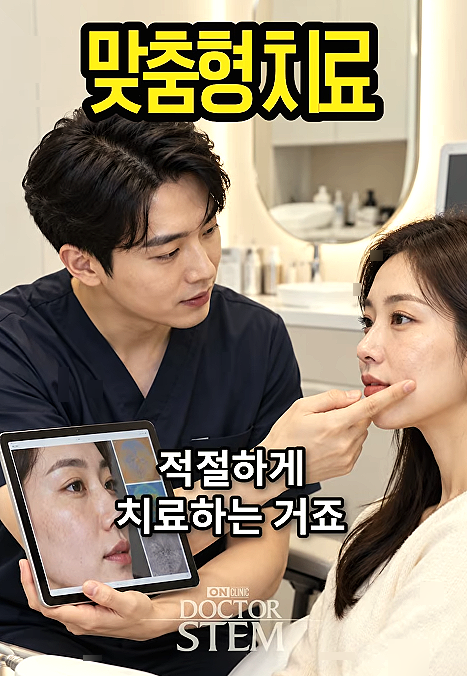
At O.N Clinic we divide the face into three zones before choosing a filler brand. The first is the area to protect. Typical examples are the temples, the sides of the nose and the area between the brows, where major vessels pass or the skin is thin and care is needed. Here we set the injection depth, speed and amount most conservatively, and consider safer methods such as a cannula when needed.

The second is the area to keep: parts that already have ample volume and suit the face as a whole. Filling such areas unnecessarily can make the face look larger or blur the original impression, so leaving them untouched is part of the design.
The third is the area to avoid. A typical example is the area just above a nasolabial fold formed by sagging cheek tissue, where the more you fill, the more the face tends to look droopy. If the cause is not hollowness but descent, we first recommend a different approach instead of filler, and we also postpone treatment in areas with inflammation or breakouts until they calm down.
The order for choosing a filler for the areas to fill

That is why we do not start treatment right away on a request for Teoxane or for Restylane alone. After dividing the three zones, we decide what kind of filler suits the remaining areas to be filled, and when needed we use different fillers for different areas within one face. The filler brand is a tool chosen last; the starting point is always facial analysis.
Before injecting filler we look not only at the front and side views but also at the face in motion, such as the moment of a smile, and after injection we follow the course as swelling goes down and the shape settles. If you are planning filler, first ask at the consultation where the areas to avoid are on your face. That one question often settles half of the design.

To sum up, the criterion for comparing Teoxane and Restylane is not soft versus firm but flexibility that follows movement and support that holds shape. If you keep the order of first dividing areas to protect, keep and avoid, finding the filler that suits your face becomes much easier.
Frequently asked questions
I worry that filler in hollow cheeks will show when I smile
If only a filler with strong support is placed in an area that moves a lot with expression, such as the side cheeks, the smile can look unnatural. Choosing a filler with flexibility to match how much the area moves, and matching the amount and depth, tends to reduce this concern.
Some time after filler, it seems to have spread sideways
It is possible that a filler with an unsuitable character went into an area that needs support, or that the amount and position were off. It is better to check the current state first and judge whether adjustment is needed.
Is filler the answer even when nasolabial folds are deep?
If the folds come from sagging rather than lack of volume, the more you fill the heavier it can look. We recommend first distinguishing the cause and then deciding whether filler fits or another method is better.
Visiting and consultation
O.N Clinic is near Gangnam Station, so it is fairly easy to reach by subway.
If you are deciding between Teoxane and Restylane, noting the areas that concern you and your previous filler experience will make the consultation on dividing the three zones easier. If you have any questions, feel free to chat with us now.
Author: Dr. Oh Seung-min (Chief Director of O.N Clinic, graduate of Seoul National University College of Medicine, Chair of the Scientific Committee of the Korean Society for Laser, Skin and Hair). See the full profile on the medical team page. First published 2026-10-23, last reviewed 2026-11-10
This article is for general information only, and the appropriate treatment and outcome may differ depending on each person's condition.