
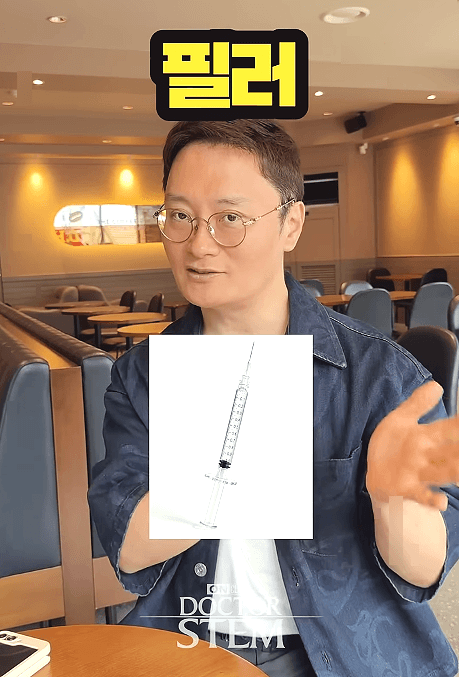
Key takeaway: The filler migration that worries many people with a peanut-shaped face usually does not mean the filler drifts on its own. It tends to appear when the injected amount, the injection layer and the movement of the area do not match. Teoxane RHA filler is a hyaluronic acid filler known for stretching with expressions and returning to shape, so it is worth considering for the mobile side cheeks, but a natural result ultimately comes from a conservative amount and the right depth.
Why people put off filler for a peanut-shaped face
A peanut-shaped face, where hollow temples and side cheeks make the facial outline look like a peanut, is a common concern that filler can soften. Yet when people read filler reviews, stories of filler sliding to another spot months later stand out, and the decision suddenly becomes hard. In the clinic, I often meet people who have postponed filler for years because of this single worry about migration.

This article works through two questions for them. Does filler really move, and how much can Teoxane filler ease that worry? In short, filler migration is not a baseless rumor, but in most cases it arises from conditions that can be avoided in advance.
Three conditions that make filler look like it has moved
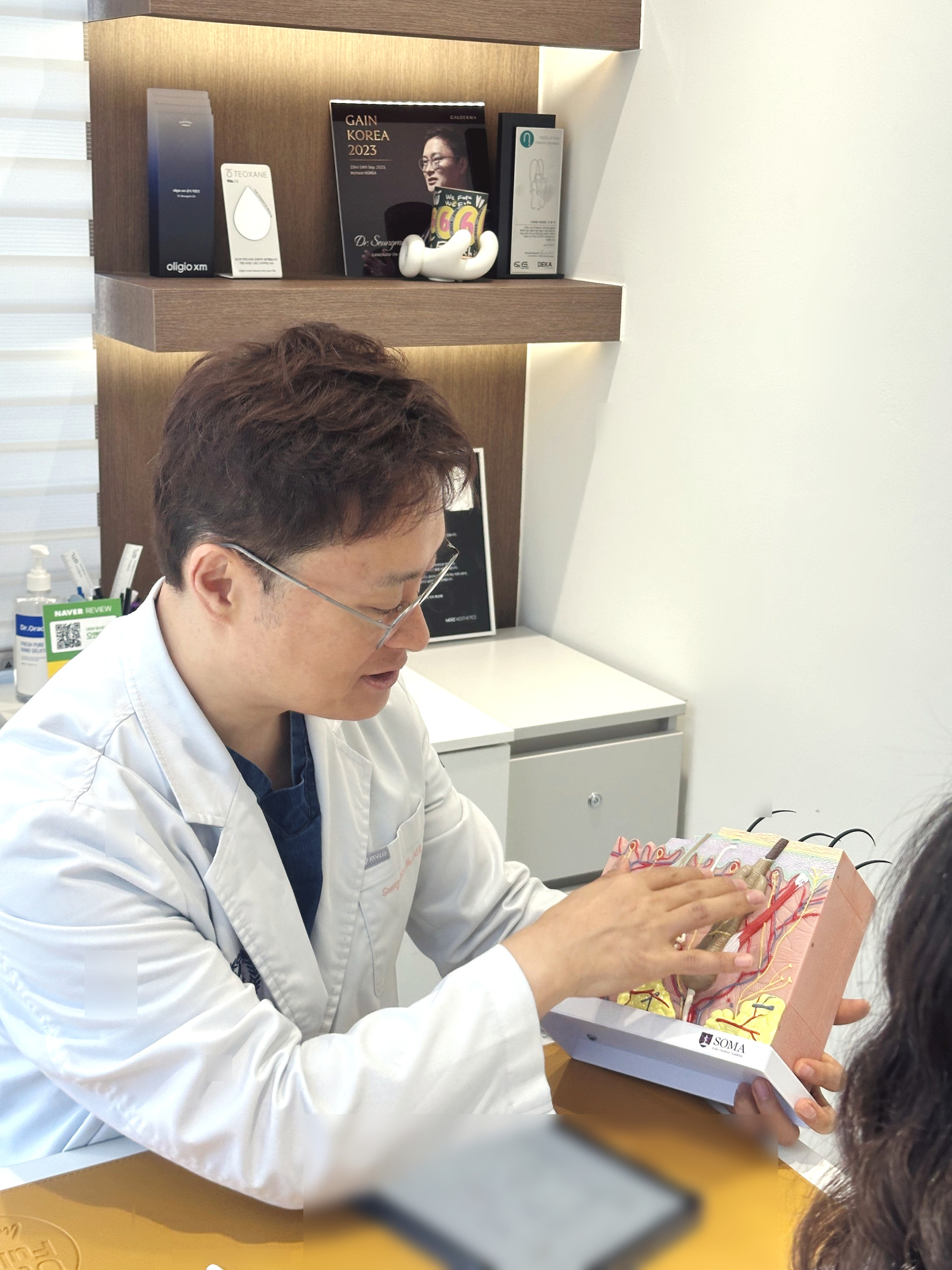
Filler rarely wanders around the face by itself. More often, it looks as if it has left its place when several conditions overlap, and in a peanut-shaped face those conditions overlap easily.
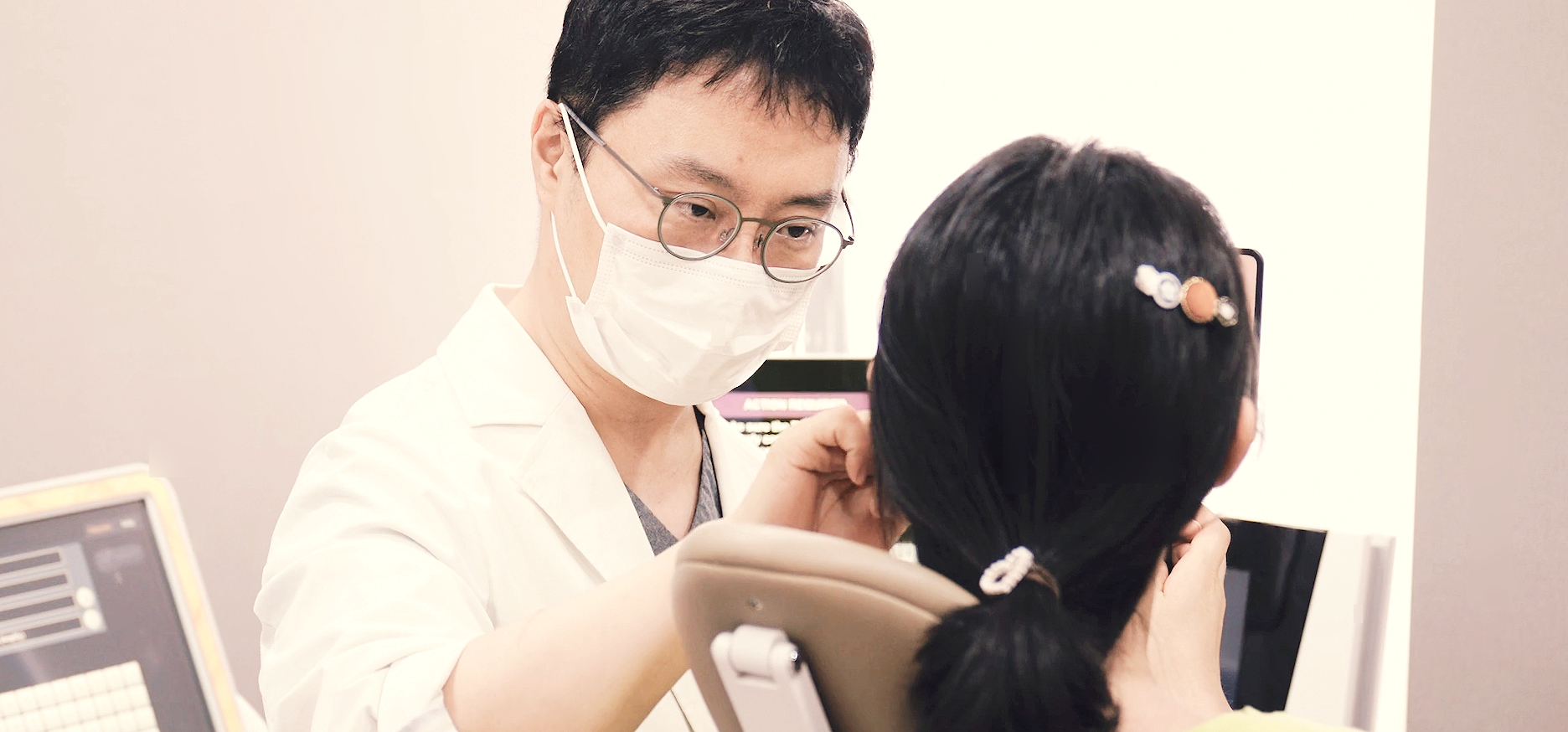
The first condition is the amount. When more filler is injected than the depth of the hollow calls for, the surrounding tissue cannot hold the extra volume, and the filler may look pushed down or spread out. Because the hollows of a peanut-shaped face are so visible, it is tempting to fill them all at once, and that urge can actually invite migration.
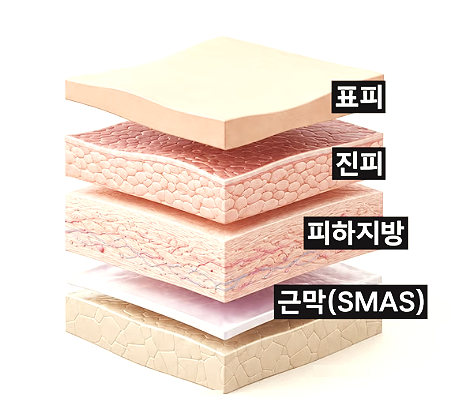
The second condition is the injection layer. Even within the same side cheek, the support underneath changes with the depth at which filler is placed, and if the depth is wrong the shape can break down over time.
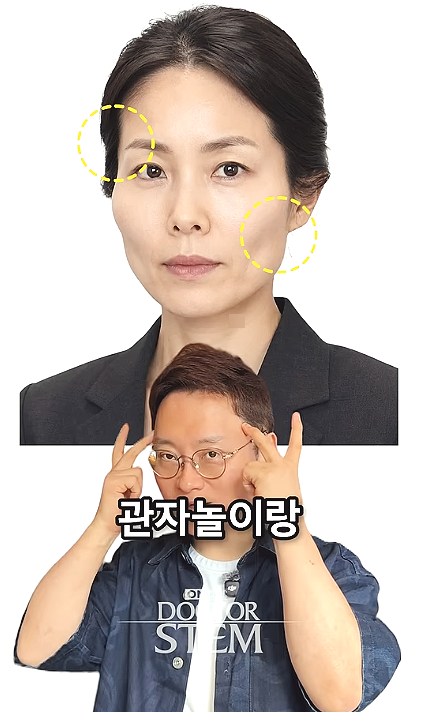
The third condition is movement. The lower side cheek that needs filling in a peanut-shaped face moves constantly when you smile, talk and chew. If a firm filler that cannot follow this movement is placed there, that area alone may bunch up or show an edge when you make expressions. Pressing or rubbing the treated area hard right after the procedure can also disturb the shape, so it is best to leave it alone early on.
Checking movement before the depth of the hollow
Many people assume that all filler moves anyway, but much of what looks like migration starts from three choices: the amount, the injection layer, and a filler that does not suit the area. That is why, when I examine a peanut-shaped face, I look at how much the side cheek moves before I look at how hollow it is.
Comparing the side cheek at rest and while smiling changes which filler to use and how much. Even with the same peanut-shaped face, a person whose side cheeks move a lot with expressions and a person whose cheeks barely move may need entirely different filler plans.
How Teoxane RHA filler follows facial movement
Teoxane is a hyaluronic acid filler made in Switzerland, and its RHA line is introduced as a filler designed to stretch when the face moves and then return to its original shape. While many fillers focus on holding their form firmly, Teoxane RHA preserves as much of the long natural structure of hyaluronic acid as possible and emphasizes stretching with expressions and returning when the face relaxes.

Teoxane is known to evaluate filler by how well it stretches and how well it regains its shape afterward. This matters for a peanut-shaped face because the side cheek to be filled is itself a highly mobile area. Placing a Teoxane filler with similar properties into a side cheek that stretches and contracts with every smile tends to make edges less visible during expressions, so the result is more likely to look natural.
Within the Teoxane RHA line, firmness and flexibility differ slightly from product to product, so a different product can be chosen for the temples, which need support, and for the side cheeks, which need flexibility. This option is useful when, as with a peanut-shaped face, the temples and side cheeks need to be filled together.
Why planning still comes first with Teoxane filler
Choosing a good filler does not make the worry about migration disappear on its own. As described above, if the amount and the injection layer are wrong, Teoxane or any other filler can look unnatural. Still, because Teoxane is a hyaluronic acid filler, the amount can be adjusted with a dissolving enzyme when needed, which tends to ease the psychological burden for people deciding on filler for the first time.
So when I treat a peanut-shaped face with filler, rather than filling every hollow from the start, I begin by just connecting the border between the temple and the side cheek. After the swelling settles, I look at the face again and decide whether to add more.
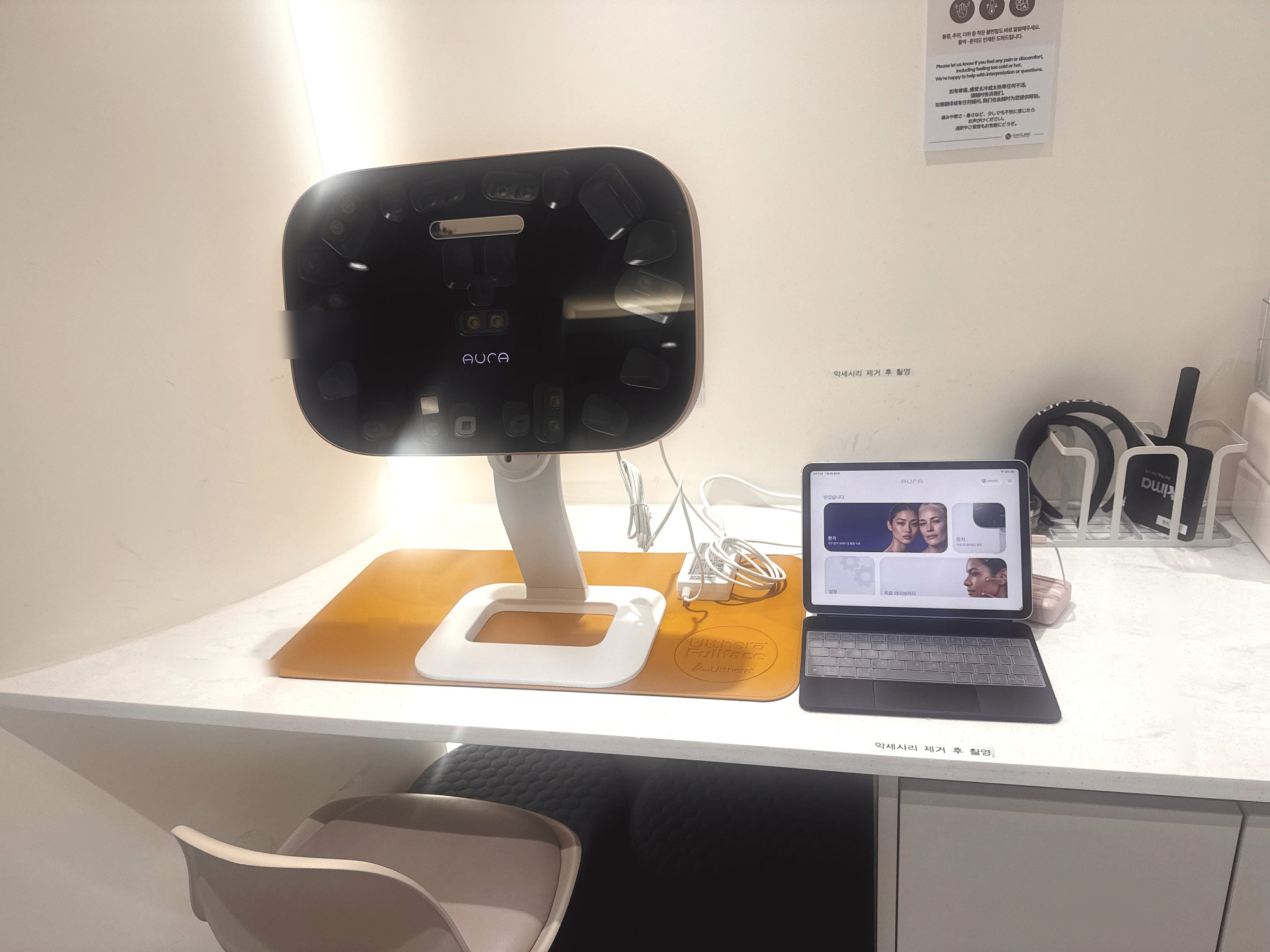
At O.N Clinic, before the procedure we measure the skin with the AI skin analyzer AURA, examine the hollow areas and their extent, and plan the amount and depth of filler for each area in advance. If you are consulting about filler for a peanut-shaped face, I recommend asking how much your side cheek moves when you smile and which product suits that movement.

To sum up, much of the worry about filler migration comes not from the filler itself but from choices that do not fit the amount, the injection layer and the area. The more mobile a peanut-shaped face is, the more a filler that moves with expressions, such as Teoxane, combined with careful planning can help keep the result natural.
Frequently asked questions
Will filler in my side cheeks sag over time?
If the amount is large or the filler sits in the wrong layer, it can look as if it has moved down. Filling carefully according to the degree of hollowness and checking again after the swelling has gone down helps reduce this concern.
I worry that only the filled area will bunch up when I smile
If a firm filler is placed in a highly mobile side cheek, an edge may show when you make expressions. That is why it is important to first see how much the area moves and then choose a flexible product that can follow that movement.
Can I get a facial massage after filler?
Pressing or rubbing the treated area firmly right after the procedure can disturb the shape of the filler. It is safer to decide when to resume massage after discussing it with the clinic that performed the treatment.
Visiting and consultation
O.N Clinic is located near Gangnam Station, so it is fairly easy to reach by subway.
If you are considering filler for a peanut-shaped face or Teoxane filler, organizing the areas that bother you most and any past filler experience before your visit makes it easier to decide on the amount and depth during the consultation. If you have any questions, feel free to reach us through Chat with us now.
Written by Dr. Oh Seung-min (Representative Director of O.N Clinic, graduate of Seoul National University College of Medicine, Academic Committee Chair of the Korean Society for Laser, Skin and Hair). You can find his full background on the medical team page. First published 2026-11-10, last reviewed 2026-11-10
This article is for general information only, and the appropriate treatment and results may vary depending on each individual's condition.