
Key takeaways: The difference between Oltight and Shurink starts not with how much they hurt or how strong they are, but with how they create heat and at what depth that heat forms. Checking first where sagging begins and which volume needs to be preserved, then understanding when pain and results appear before setting the intensity, tends to reveal the option that suits your skin before the device name does.
Less painful or stronger lifting, why the question needs to change
The question people ask most often when weighing Oltight and Shurink is whether to choose the one with less pain or the one with a stronger effect. Dr. Oh Seung-min suggests changing the starting point of that question slightly.
Pain and effect are not separate qualities, because both are decided by the depth where heat is generated and how your skin responds to that energy. This article therefore organizes the difference between Oltight and Shurink around two standards: the depth where energy turns into heat, and when pain and results appear.
Standard one, how and at what depth heat is created
Oltight and Shurink are both classified as lifting devices that generate heat inside the skin to prompt a collagen response. The difference lies in what kind of energy creates that heat and at what depth.
Oltight's energy source is shortwave at a frequency of 40.68MHz. It works on the principle of dielectric heating, in which moisture held in tissue reacts to the shortwave and produces heat inside the targeted layer, and that heat is directed to the mid to lower dermis and the SMAS layer.
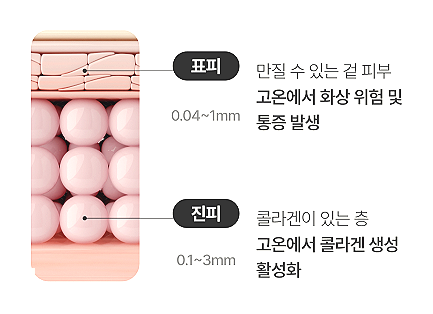
Because the fat layer contains little moisture, Oltight energy is described as staying there relatively less. Another point worth noting is that Oltight is configured so that different handpieces can be used for thin, sensitive areas and for areas that need firmness.
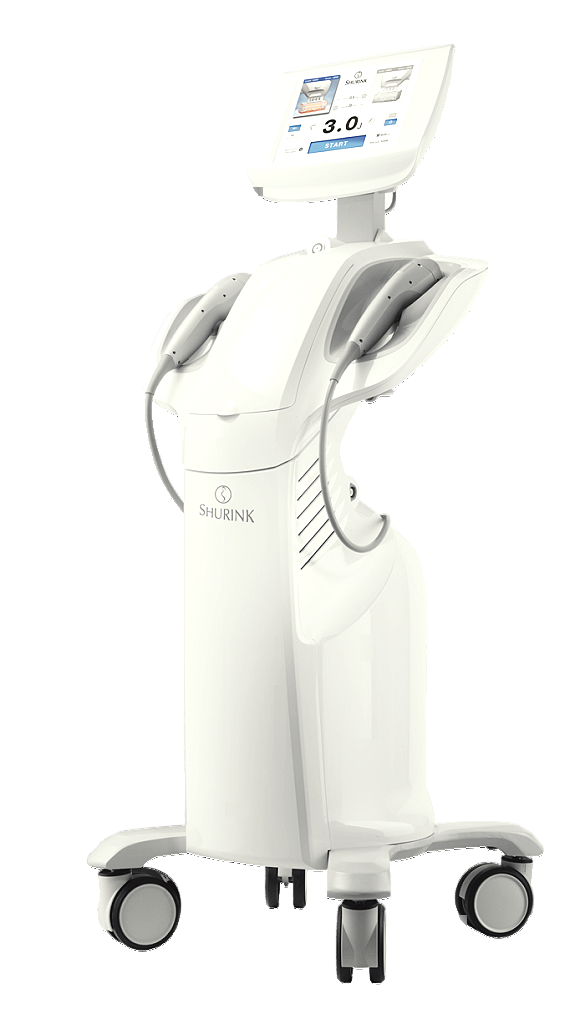
Shurink's energy source is high intensity focused ultrasound, or HIFU. It gathers ultrasound into a small point to leave a thermal coagulation point, and because each cartridge reaches a different depth, the 1.5mm, 3.0mm and 4.5mm cartridges are switched to approach step by step from the dermis to the SMAS layer. Since depth can be planned layer by layer, there is a wide range of choices when sagging and skin texture are considered together.
Pictured simply, Oltight gently warms the entire targeted layer from within, while Shurink places points of heat one by one at a chosen depth. Neither is simply better; they just create heat by different paths.
Why the right device differs even for similar sagging
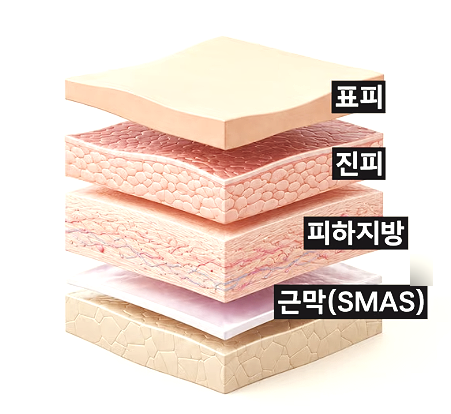
Even when sagging looks similar, whether a face suits Oltight or Shurink depends on skin thickness, the amount of fat and where the sagging sits. So Dr. Oh first checks at what depth the sagging began and which areas need their volume preserved.
For people with little cheek volume, he does not recommend using deep energy over a wide area. Conversely, for people whose sagging is concentrated in a particular layer, an approach that targets that depth precisely is considered first.
Standard two, why pain occurs
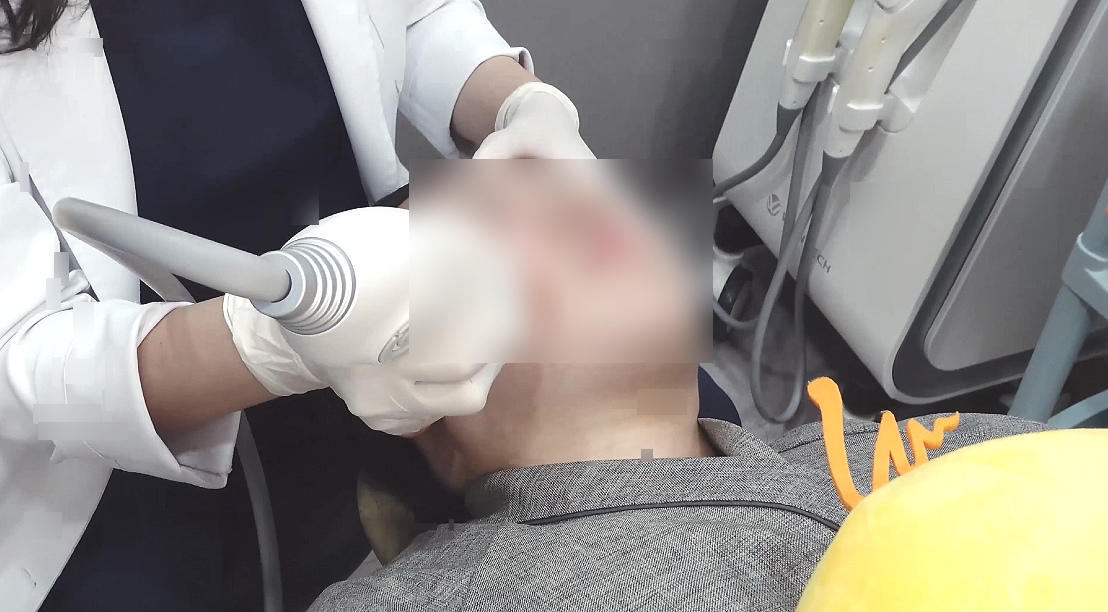
The character of pain largely depends on where heat gathers. With a structure like Shurink, where energy concentrates in one point, a momentary tingling or dull, deep sensation can occur near bone, so it is common to apply numbing cream before starting.
With Oltight, the hottest point forms inside the skin and two layers of cooling cool the surface, so it is described as relatively less painful. Even so, how pain is felt varies considerably with the treatment area, skin thickness and each person's sensitivity.
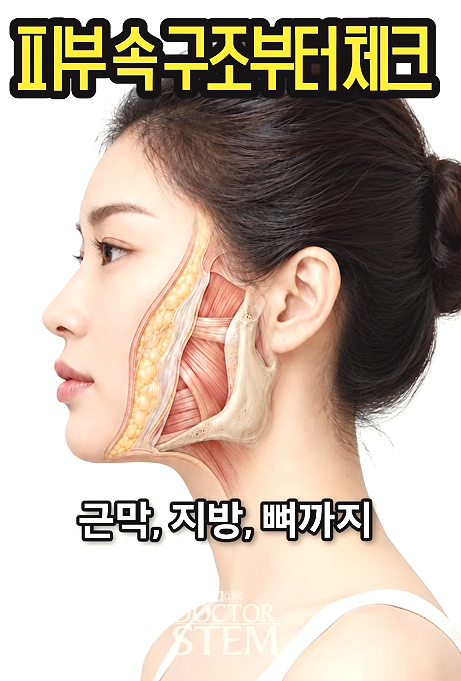
Areas with bone right underneath, such as the forehead and jawline, often feel sharper regardless of the device, so output and pace are adjusted separately for these zones. Some say it has to hurt to work, but it is hard to find grounds that the size of pain and the result move together.
When results appear and reactions after treatment
The two devices follow a similar pattern in when results appear. With either Oltight or Shurink, some people feel tightening right after treatment, and the real change progresses gradually over several weeks to several months.
It is therefore better not to judge success on the day of treatment. The tightening on that day is closer to a passing reaction, and an accurate judgment comes after watching the change that builds up gradually afterwards.
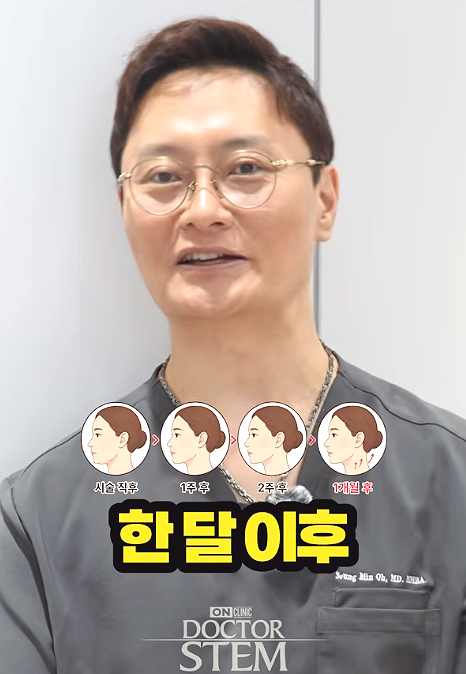
How much changes and how long it lasts also vary widely with skin condition, the pace of aging and daily habits, so it is hard to say this is fixed for each device. After treatment there may be temporary redness, a warm sensation and mild swelling, and rarely side effects such as burns or a hollow looking cheek can occur.
The order in which O.N Clinic sets Oltight and Shurink intensity
For this reason, O.N Clinic considers it important to first set the energy intensity your skin can handle, as much as the effect. Before treatment, skin thickness and firmness are checked in various ways, and areas that feel pain easily are asked about first before output and sequence are decided.
After treatment, the clinic continues to follow how swelling and warmth subside and how the change stabilizes. In the end, Dr. Oh looks at two things: at what depth heat is created and how your skin receives that energy, and using these two as the standard tends to reveal the direction that suits your face before the device name does.
Frequently asked questions
I am sensitive to pain. Can I still receive Oltight or Shurink?
How much it hurts depends on whether energy gathers in one spot or spreads widely, which area is treated and how thick the skin is. If you mention sensitive areas during consultation, output and pace can be adjusted to reduce the burden.
If I see no change right after lifting, did it fail?
Collagen regeneration that follows after the initial tightening fades is a slow process. Please judge the result after watching the course over several weeks to several months.
My cheeks are thin. Is lifting still okay for me?
If deep energy reaches an area whose volume should be preserved too strongly, hollowness can become more noticeable. That is why cheek volume and skin thickness are checked before treatment to separate areas that receive energy from areas left untouched.
Visit and consultation
O.N Clinic is located near Gangnam Station, so it is relatively easy to reach by subway.
If you are torn between Oltight and Shurink, it helps to note the area that looks most saggy, any areas sensitive to pain and previous lifting experience before your visit, so the consultation goes smoothly. For any questions, feel free to reach us via chat with us now.
Author: Dr. Oh Seung-min (Medical Director of O.N Clinic, graduate of Seoul National University College of Medicine, Academic Committee Chair of the Korean Society for Laser, Skin and Hair). See the full profile on the medical team page. First published 2026-10-26, last reviewed 2026-11-10
This article is for general information only, and suitable treatment and results may vary depending on each person's condition.