
Key summary: Ultherapy can also cause side effects such as swelling, burns and cheek hollowing, and the cause mostly lies not in the device itself but in how energy is used and in the diagnosis before treatment. The three causes are more energy than needed, area and depth settings that do not fit the face, and a face that was not suited to Ultherapy in the first place; reading the desired direction and the current skin condition first helps reduce this risk.
Why we raise side effects first
If you have searched for Ultherapy swelling, Ultherapy burns or Ultherapy cheek hollowing before booking, it is natural to feel worried first. To be clear, Ultherapy is also a treatment that can have side effects.
It may sound unusual for a doctor to start with side effects, but we believe addressing this first is what lets you set aside vague anxiety and choose a treatment. So this article is organized in the order of why Ultherapy side effects occur and what should come first to reduce the risk.
How Ultherapy works, and swelling as a common reaction
The energy source of Ultherapy is high-intensity focused ultrasound, called HIFU, and it concentrates this ultrasound at a point in a deep layer under the skin to leave small thermal coagulation points. Heat stimulation reaches the dermis and the fascial layer called SMAS, and afterward new collagen is formed as elasticity rises. Because the device reaches that deep, how the energy is used alone separates a satisfying result from side effects.
Swelling after treatment is a relatively common reaction. The more energy delivered, the more swelling tends to occur, and it is generally known to subside gradually over several days.
Side effects to watch for: burns and cheek hollowing

What needs more attention than swelling is the next level of reaction. If heat builds up excessively in the skin, it can appear as an Ultherapy burn or blisters, and if energy concentrates on the cheeks, where volume should be kept, it can lead to cheek hollowing. In rare cases, a nerve is temporarily irritated and a tingling sensation remains.
Even if many of these reactions recover over time, preventing them from the start is far better for the patient. If reading about side effects in Ultherapy reviews has made you anxious, it helps to start by looking at where the causes lie.
Three causes of Ultherapy side effects
Narrowing down the causes, they fall into three. First, using more energy than needed; second, area and depth settings that do not fit that face; third, treating a face that was not suited to Ultherapy from the start. All three share the point that they stem from judgment before treatment rather than device performance.
Even with the same shot count, the amount of energy that builds up at one point varies greatly depending on whether the face is small or large and how thick the skin is in each area. So reducing Ultherapy side effects starts with reading the face before deciding the shot count.
Two diagnostic questions as important as the treatment
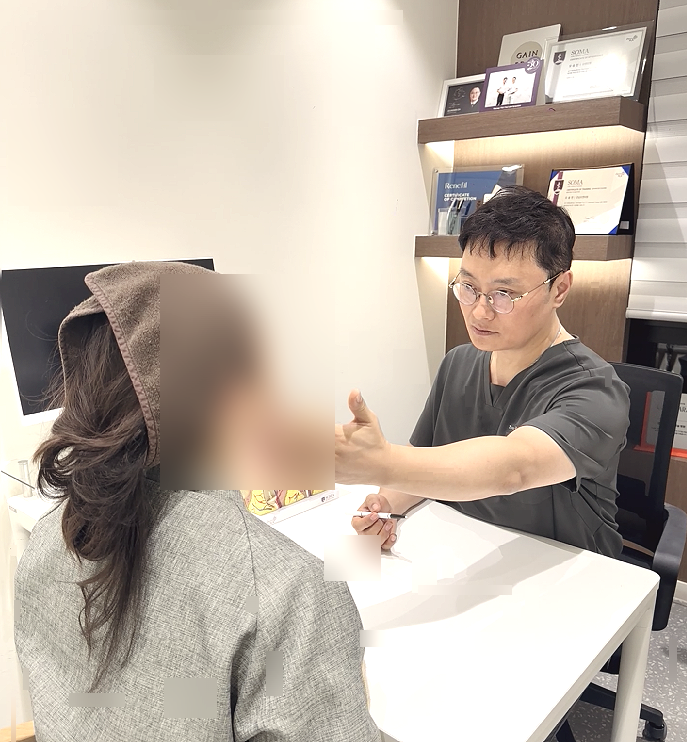
In lifting, we consider diagnosis as important as the treatment itself. The word diagnosis may sound grand, but the actual questions are simply two: what exactly is the direction this person wants, and what is the current condition of the face and skin.
Even with the same concern about elasticity, one person worries that the jawline has dropped, while another worries that skin texture has become dull. Some want a clear change and others prefer natural results that do not show, so when the desired direction differs, the suitable device differs as well.
Current condition is added to this. Only after checking skin thickness, the amount of cheek fat, the layer where sagging began and whether any area is already hollow can we judge whether Ultherapy suits this face or another direction is better. So it is not uncommon for people who came thinking of Ultherapy to be guided to a different method after the consultation, because we believe honestly giving the answer that fits that face helps reduce Ultherapy side effects more than saying what is pleasant to hear.
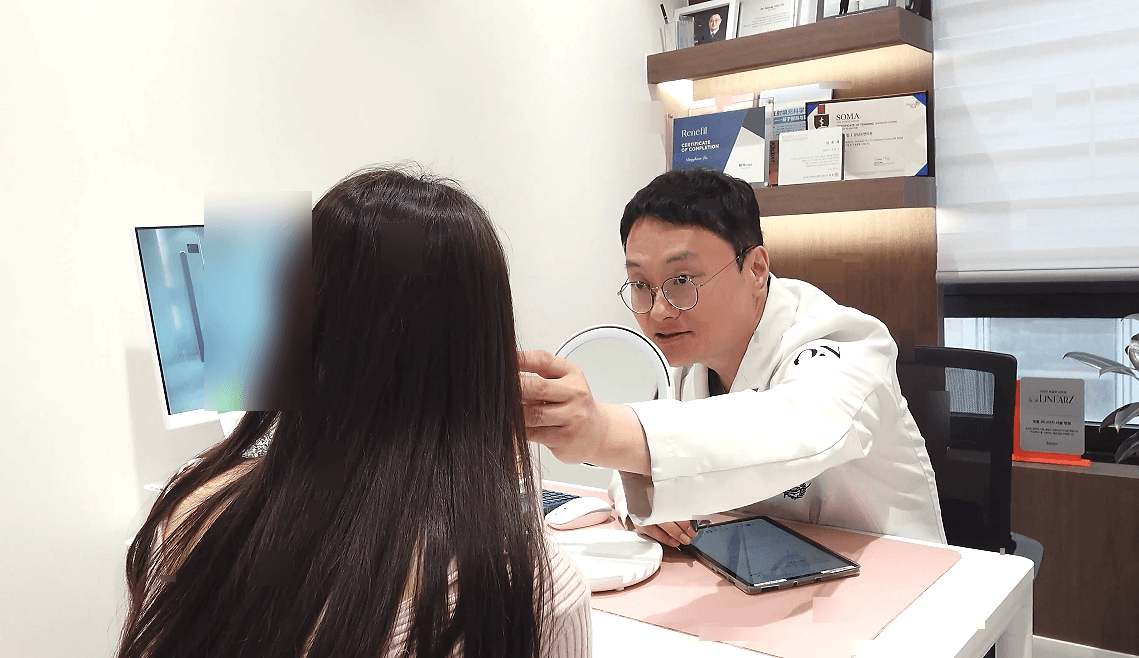
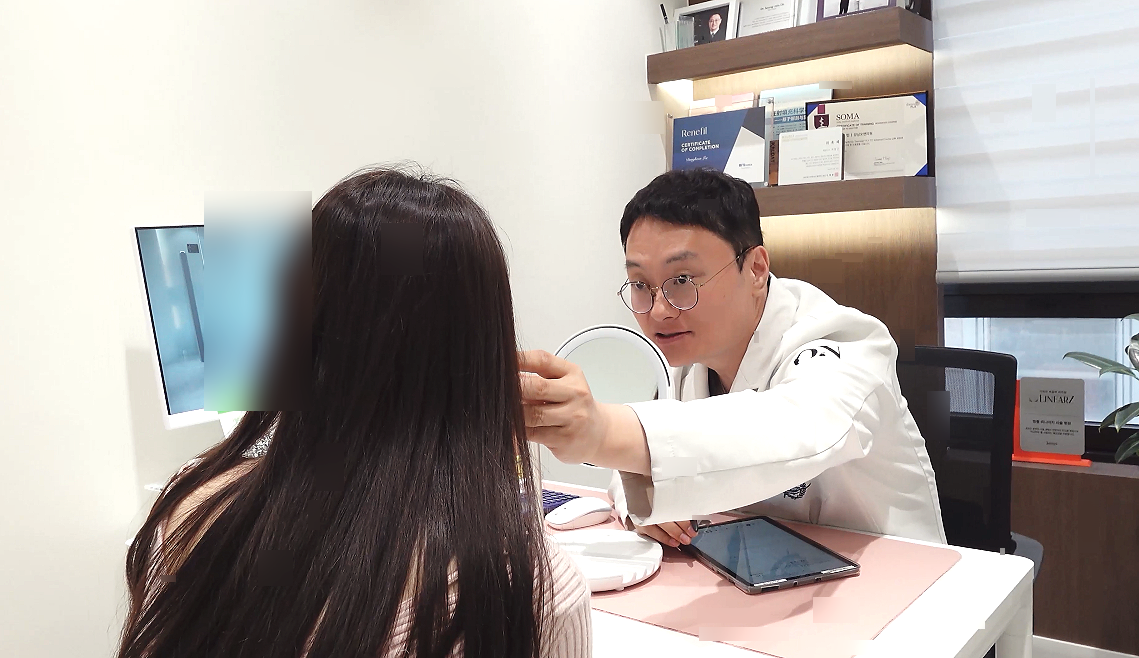
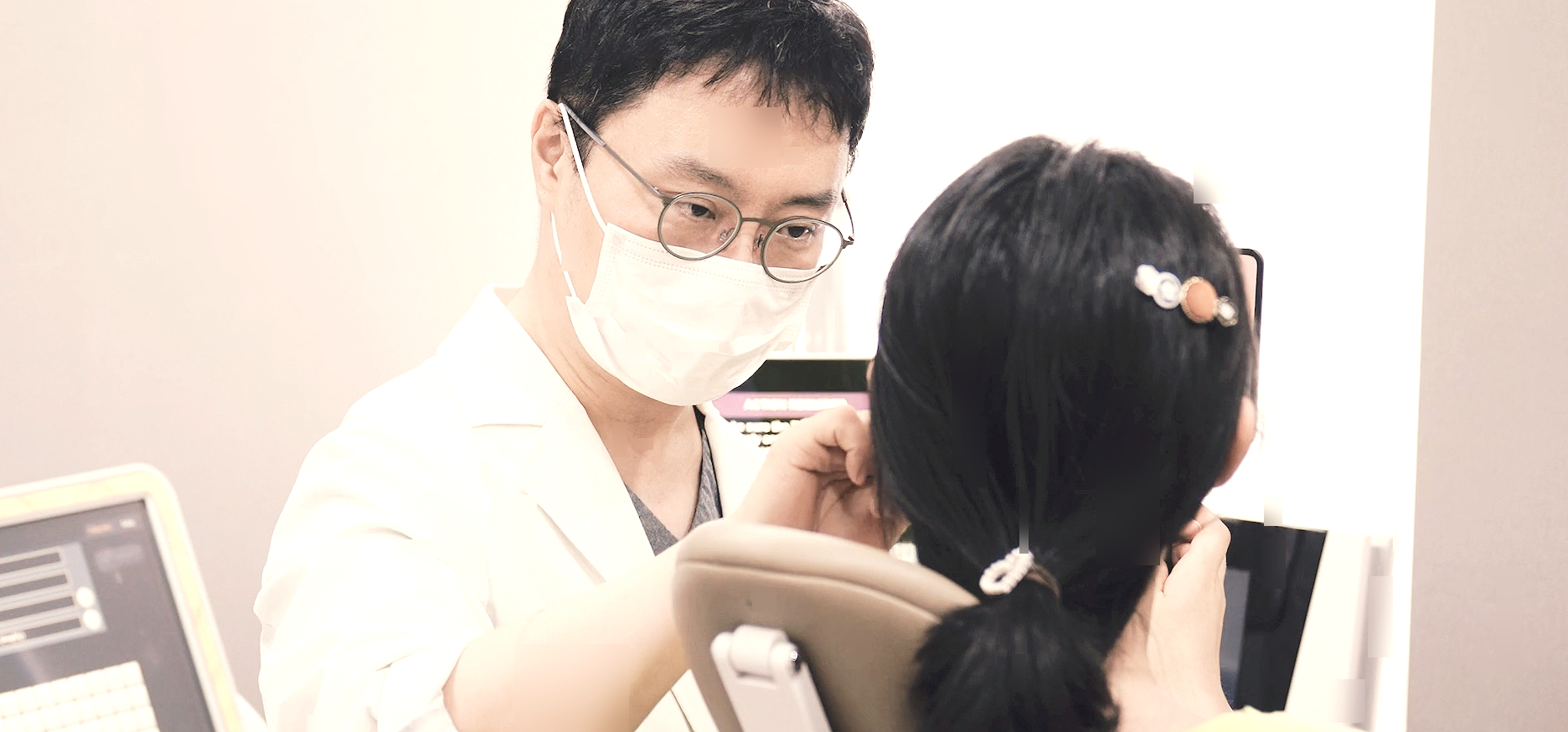
This judgment is something the doctor has to make directly. At O.N Clinic, during consultation we touch the face directly, ask you to smile and check the profile as well. Some things only become visible when examined that way.
Stronger in one go is not always the answer
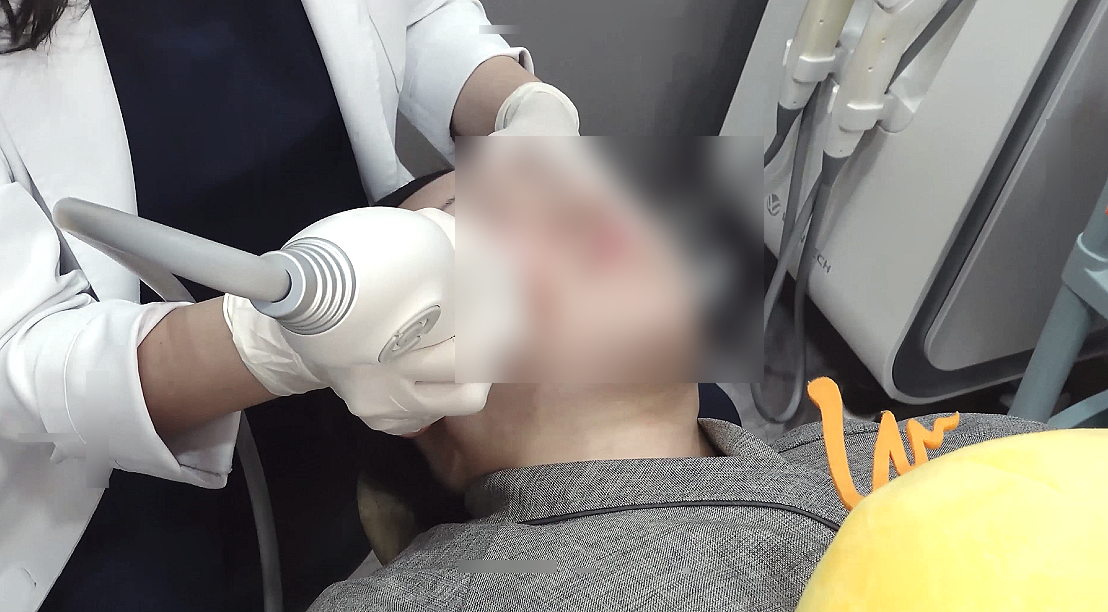
We often hear requests to do it strongly in one go since it is hard to visit the clinic often. Considering time and cost this is fully understandable, but receiving it all at once at high intensity is not always best. Putting in a lot of energy at once raises both swelling and heat burden, and the volume that should be kept can shrink as well.
It is easy to think it must be strong for the effect to last long, but what separates results more is whether the needed amount of energy reached the needed layer. So for people whose cheeks are already hollow or whose skin is thin, we do not use strong energy from the start; when needed we lower the intensity and divide the sessions, deciding the next step while watching the skin response.
How O.N Clinic proceeds and manages recovery

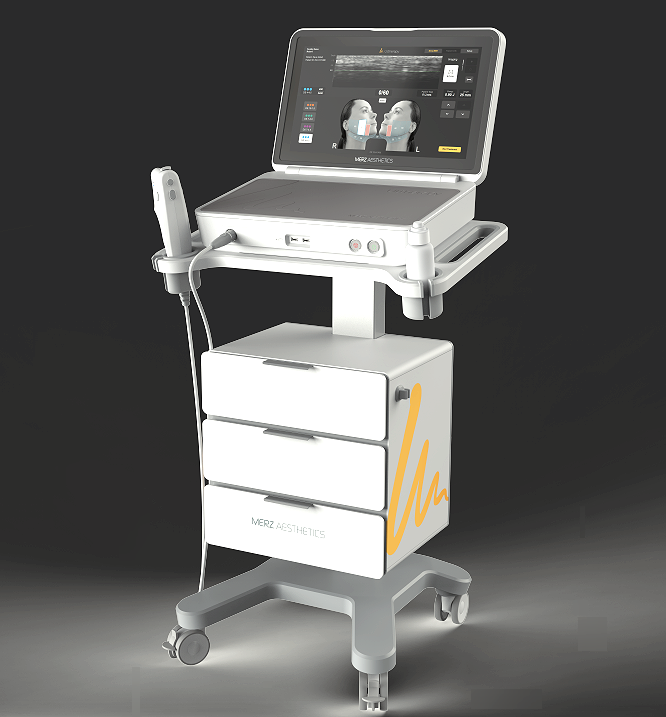
Before Ultherapy, O.N Clinic first measures thickness and condition with the AI skin analyzer MUSE. In the treatment itself we decide the depth while visually checking the layers under the skin on the ultrasound image shown by Ultherapy PRIME, and mark areas where energy should be reduced, such as the cheeks, before starting. Afterward we continue to follow the course as the swollen face returns to normal.
On the day of treatment, simply avoiding activities that add heat to the body, such as saunas or drinking, can ease the burden of swelling. Just asking at the consultation which areas of your face will be focused on and which will be spared can help reduce worries about Ultherapy side effects.

To sum up, Ultherapy side effects depend greatly on how the doctor judged the face before treatment, more than on the device itself. Reading both the change the patient wants and the current conditions of the face, and using only the matching amount of energy, is the first step in managing Ultherapy side effects.
Frequently asked questions
My face swelled after Ultherapy. When will it go down?
After lifting that uses thermal energy, temporary swelling can occur, and it usually subsides over several days. On the other hand, if the swelling grows day by day or pain and blisters appear, do not wait; contact the clinic that treated you right away.
My cheeks are naturally thin. Will Ultherapy make them more hollow?
On a face with little cheek fat, too much energy into the cheeks can make hollowness more pronounced. That is why before Ultherapy we first check cheek fat and skin thickness, and plan by separating where energy will be given and where it will be avoided.
Isn't it more worthwhile to get it strongly in one go?
Putting it in strongly all at once raises swelling and heat burden together, so depending on skin conditions, dividing it into several sessions can be more stable. We recommend deciding intensity and intervals while watching the skin response.
Visiting and consultation
O.N Clinic is near Gangnam Station, so it is fairly easy to reach by subway.
If you are worried about Ultherapy side effects, noting whether you had reactions such as swelling or burns from previous lifting and the change you most want will make the consultation on diagnosis and planning easier. If you have any questions, feel free to chat with us now.
Author: Dr. Oh Seung-min (Chief Director of O.N Clinic, graduate of Seoul National University College of Medicine, Chair of the Scientific Committee of the Korean Society for Laser, Skin and Hair). See the full profile on the medical team page. First published 2026-10-19, last reviewed 2026-11-10
This article is for general information only, and the appropriate treatment and outcome may differ depending on each person's condition.